Story Category: Legacy

The Webb Ellis Cup at Brighton Museum & Art Gallery

This is a legacy story from an earlier version of our website. It may contain some formatting issues and broken links.

On Monday 31 August the Webb Ellis cup will be at the museum. To celebrate the Rugby World Cup trophy being on display and the four nations that will be competing in Brighton Community Stadium to lift it as winners, the museum will be offering a day of fun-packed activities for all the family!

The Webb Ellis Cup

The Webb Ellis Cup

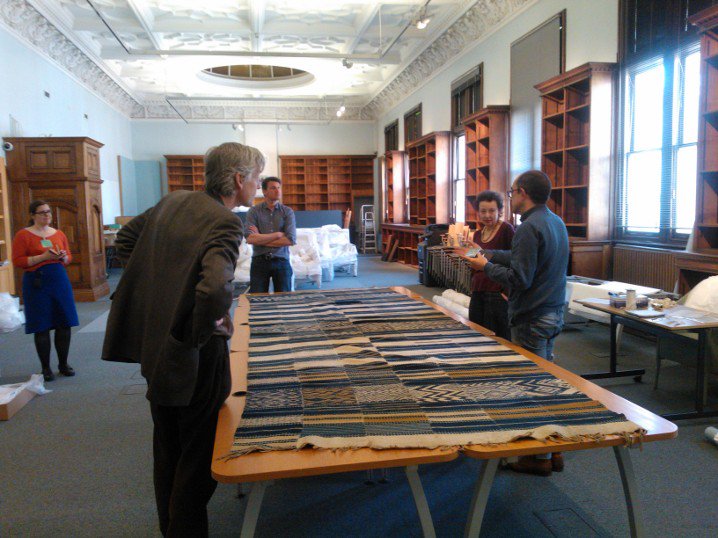
Come and see rare objects out of museum storage for one day from the four nations of Japan, Samoa, South Africa and USA. You are invited to get up-close and see traditional Furoshiki cloth wrapping demonstrated; learn about Samoan Barkcloths, colourful South African beaded jewellery and intricate Native American Quillwork. Then, make your way to the Art Room where you can create your own striking artwork based on any symbols, colours or materials you found inspiring in these objects. Get creative and design your own Rugby shirt or flag for the team or teams you will be supporting!

Do remember to make your way upstairs to the Fashion & Costume Gallery where Japanese Cos-Play, the Brighton festival The Costume Games and popular American Super-Heroes are celebrated with the display of Christian Bale’s Batsuit! Whether you’re a kid or just a big kid, you can play dress-up and create your very own super-hero costume and take a picture of yourself next to Batman! On your way out pop into the Willet Gallery where you can have your face painted in the style of your favourite super-hero.

All these activities will be free with an admission ticket between 11am and 3pm on Monday and we hope to see you all then!

Hannah Marshall-Quinn, Creative Programming Events Support Officer

Final weeks to catch amazing Wildlife Photographer of the Year exhibition at Brighton.

This is a legacy story from an earlier version of our website. It may contain some formatting issues and broken links.

Less than two weeks to see the Wildlife Photographer of the Year exhibition at Brighton Museum


Leon Petrinos / Wildlife Photographer of the Year 2014. Wildlife Photographer of the Year is co-owned by the Natural History Museum and BBC Worldwide

Leon Petrinos / Wildlife Photographer of the Year 2014. Wildlife Photographer of the Year is co-owned by the Natural
History Museum and BBC Worldwide


There are just two weeks left to see the amazing Wildlife Photographer of the Year exhibition at Brighton Museum.

The show which ends on September 6 has been a huge success with 87% visitors who responded to a questionnaire describing it as ‘excellent’ or ‘good’.

Almost 100% said getting hands on with objects and talking to a gallery explainer added to their enjoyment and understanding.

It’s the first time the show has been on display at Brighton meaning visitors don’t have to travel to London to see the best nature photography in the world.

Here are just a few of the comments left by visitors after their visit.

“Amazing, brought me to tears, thank you for this moving experience”

“An absolutely breathtaking display”

“Thank you for bringing it to Brighton”

“Truly inspiring and educational”

“Completely absorbing, thank you”

BHASVIC students review the Wildlife Photographer of Year exhibition

This is a legacy story from an earlier version of our website. It may contain some formatting issues and broken links.

A group of journalism students from Brighton and Hove Sixth Form College (BHASVIC) visited the Wildlife Photographer of the Year exhibition this year.

Reporter Isabelle Jones interviewed some of the people visiting the exhibition about their favourite image.

The ‘Wildlife Photographer of the Year’ exhibition, on loan from The Natural History Museum, is now in its fiftieth year showing 100 awe-inspiring photographs of the natural world. The exhibition is currently showing at The Brighton Museum up until 6th September 2015. Under 18’s are welcome to view the exhibition for free and adults at a small fare.

Breathtaking views and landscapes, a range of different cultures, organisms and the Earth is captured throughout the exhibition; opening up our eyes to the amazing world we live in. Each image appears to resemble a non-fictional world or issue, enabling the audience to see and feel the impact of the Earth which we aren’t able to see from our bedroom window.

Jane Hornby, from Brighton, said ‘I wanted to come and see this exhibition because I love wildlife documentaries and animals. I visit The Brighton Museum regularly; however this has far been my favourite exhibition. I love the way the photographers capture exactly what I imaged each scenario in context would look like. It made me realise how little I appreciate our world on a daily basis.’

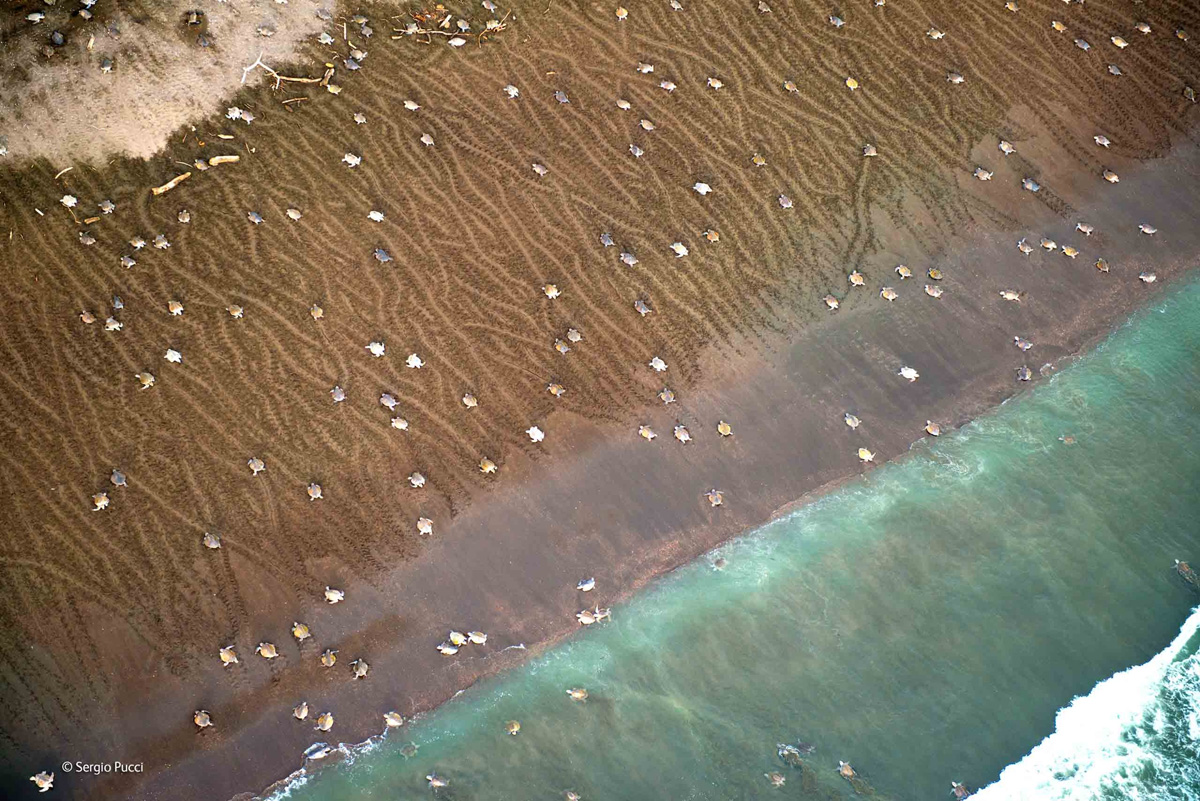
‘My favourite photograph from this exhibition was Sergia Pucci – The Great Arrival, as it captures the post birth of turtles and nature and reproduction at its finest. Especially as many turtles are endangered, it’s amazing to see hundreds of babies fleeing into the sea. This photo is a real eye opener. I’ll definitely look into sponsoring endangered animals like turtles.’


Sergio Pucci / Wildlife Photographer of the Year 2014. Wildlife Photographer of the Year is co-owned by the Natural History Museum and BBC Worldwide.

Sergio Pucci / Wildlife Photographer of the Year 2014. Wildlife Photographer of the Year is co-owned by the Natural
History Museum and BBC Worldwide.


The Great Arrival is photographed in Costa Rica, picturing Olive Ridley turtles. Hundreds of thousands of turtles gather off-shore to lay their eggs in a mass nesting which is often triggered by winds and lunar cycles. This image opens up eyes to witness the beauty of reproduction of endangered animals which we could help save.

In relation to The Great Arrival, a correlation is noticeable to everyday life. The baby turtles making that long, first journey of their lives to reach their personal destination of the ocean, relates to our personal goals of finally getting to where we want to be in life; whether that personal ambition is a career, a family or happiness, the image could be perceived as a metaphor for us as individuals and our ambitions.

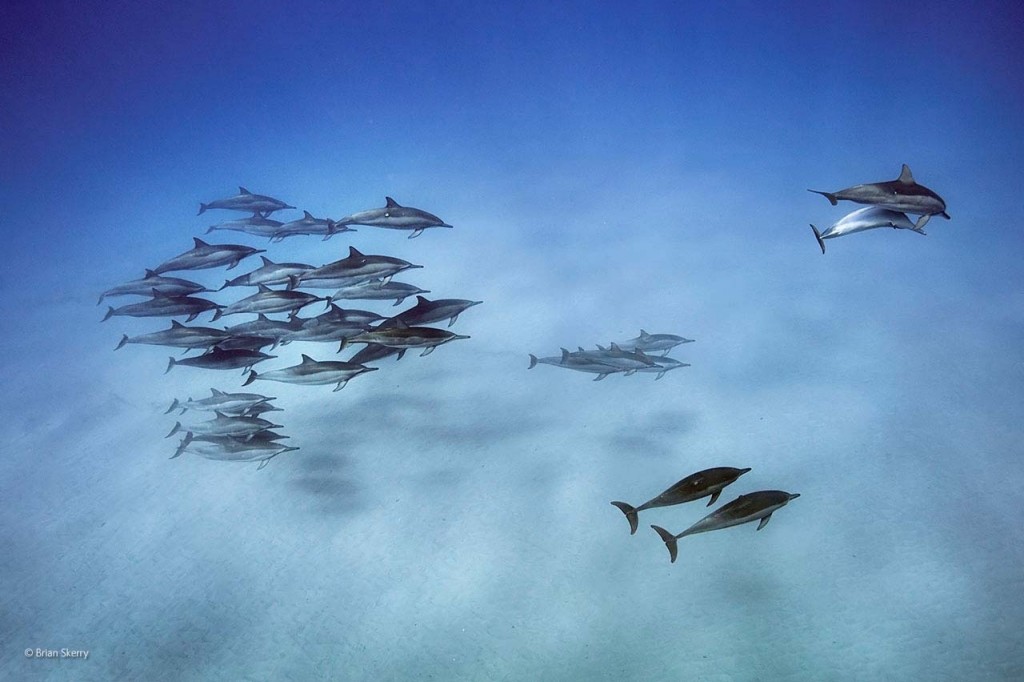
Ruby Gislingham, 18, Brighton, said ‘My favourite photo was Dolphin Downtime because I appreciate wildlife and I feel like this captures what their freedom should look like.’ She added, ‘I genuinely really enjoyed the exhibition.’


BHASVIC student reporters visits Wildlife Photographer of Year in Brighton

Brian Skerry / Wildlife Photographer of the Year 2014. Wildlife Photographer of the Year is co-owned by the Natural History Museum and BBC Worldwide

This is a legacy story from an earlier version of our website. It may contain some formatting issues and broken links.

Journalism students from BHASVIC (Brighton and Hove Sixth Form College) visited the Wildlife Photographer of the Year exhibition this summer.

Brian Skerry / Wildlife Photographer of the Year 2014. Wildlife Photographer of the Year is co-owned by the Natural History Museum and BBC Worldwide

Brian Skerry / Wildlife Photographer of the Year 2014. Wildlife Photographer of the Year is co-owned by the Natural
History Museum and BBC Worldwide


Here is a selection of their thoughts from reviews they wrote about the exhibition.

Annie

“In retrospect, this exhibit left me with two polar opposite emotions: a deep appreciation for the beauty of wildlife, and the harsh reality of today’s animal trade.”

Max

“Through the dinky café at the top of the Victorian stairs are a set of double doors. Inside is some of the most spectacular photography I have ever seen, a reminder that beauty is natural and not in a bottle marked “Maybelline.”

“Each piece of art sets a precedent for the next, and each piece after fulfilling that. These moments of wonder now caught forever giving an order, almost, to the chaos we live among. From food chains caught in their proceedings to eccentric weather – each still photograph of life can bring happiness just from knowing this was taken on the planet we live on.”

Ruby

“After visiting the 50th Wildlife Photographer of the Year exhibition at Brighton Museum & Art Gallery I was inspired. The beautiful photographs captured the natural beautiful of wildlife, as well as its cruel reality within our society today. I have always felt passionately that animals should live freely without fear or being hunted or captured and detained.”

Ollie

“The first picture that is instantly striking is that of a young cheetah, pictured in a complete state of relaxation as it hides within the long grass of the South African outback. The intimacy of the image is truly something to behold due to the rarity of such an photo being captured, as cheetah’s are far more renown for hunting down their pray than lying dormant on the ground.


Leon Petrinos / Wildlife Photographer of the Year 2014. Wildlife Photographer of the Year is co-owned by the Natural History Museum and BBC Worldwide

Leon Petrinos / Wildlife Photographer of the Year 2014. Wildlife Photographer of the Year is co-owned by the Natural
History Museum and BBC Worldwide


“Such an image, one would assume, must surely have been captured by an experienced photographer that has devoted their existence to capturing such a wonderful photo. However this image was taken by an eight-year-old, Leon Petrinos, who was on a safari from Greece. This adds far more beauty to the picture as it is fascinating how a boy so young was able to capture such an image.”

Liam

“Overall, it was a nice trip, and I saw some really interesting, enlightening, and genuinely baffling photography. I would, without doubt, recommend anyone to go and check it out if they are interested.”

Lewis

“I must confess I am rarely present in museums, particularly where art is concerned. But it didn’t take very long for me to become engrossed in the beauty of such stunning photography, becoming particularly hung up on the idea that there is a story behind every picture.”

Lara

“It is this desperate plea to save our environment that is most pertinent after viewing the exhibition. The photographs raise a plethora of issues facing the wildlife they capture, from hunting, to deforestation, to rapid urbanisation. Yet, what is most prevalent across the pictures is the sheer beauty and wonder of our planet, encapsulated in these unbelievable photos of breath-taking waterfalls; lush green rainforests, and hundreds upon hundreds of different yet equally remarkable animal species.”

Ashley

“It is an experience to see nature captured in its rawest and most beautiful form.”


Ruby: My Experience of Fashion Cities Africa so Far

This is a legacy story from an earlier version of our website. It may contain some formatting issues and broken links.

July 2015

Well, it’s been just one short month since I joined the Fashion Cities Africa team on a Workforce Development placement from my usual role front of house, but already I’ve had tons of fun and have learned a HUGE amount about what goes into the planning of an exhibition!

Ruby

Ruby

So far I’ve sat in on meetings about a whole range of things, from exhibition content to engagement with Brighton’s African diaspora; I’ve heard all about Helen and Martin’s fascinating research trips to Casablanca, Nairobi and Lagos, losing myself in the excellent photos and videos that they captured along the way; and, naturally, I’ve also done a fair bit of brainstorming about how best to share all of these experiences online with you guys!

Equally as importantly, over the past month I’ve also met some really great people with a huge range of impressive skills and knowledge, from African fashion, to community engagement, to graphic design. It’s been amazing to see how hard everybody’s working to make Fashion Cities Africa the best exhibition it can possibly be! Already I feel like I’ve settled right in, and I really look forward to working alongside the rest of the team over the coming months.

Most recently I have been clipping down and reshaping a fascinating report by Harriet Hughes about her research in Lagos, which will be coming to this blog very soon – so watch out for that!

Alternatively, feel free to head over to our Fashion Cities Africa Tumblr page to catch some brilliant photos of Martin’s time in Casablanca, as well as some equally fab photos from Helen’s trip to Nairobi and some behind-the-scenes bits and bobs!

Thanks for reading, guys! Please keep your eyes peeled for more nuggets of information, photos and sneak previews!

Until next time,

Ruby McGonigle, front of house team member at the Royal Pavilion

The Royal Pavilion: Strolls in exotic gardens

This is a legacy story from an earlier version of our website. It may contain some formatting issues and broken links.

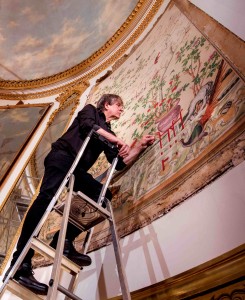
It is worth having a closer look at the glorious Chinese export wallpaper that was painstakingly removed from the Royal Pavilion’s Saloon by experts Allyson and Andrew McDermott last November. The six large panels are a remarkable survival from the late 1790s or early 1800s. They were probably produced by Chinese art and craft workshops in Guangzhou, near western trading ports along the waterfront, and then imported to Europe, often as ‘private trade’ by captains of East India Company ships. Hand-painted in ink and distemper-like colours, they were produced solely for export and became increasingly popular in European Chinoiserie interiors throughout the eighteenth century. The majority of these papers were hung in bedrooms and drawing rooms and are mostly associated with ‘feminine’ spaces and taste. Many of the patterns show Chinese flowers, trees, birds and stylised garden or landscape scenes, with most botanical elements clearly identifiable. More expensive varieties included architectural motifs and Chinese figures at work or play. Wallpapers of both varieties survive in the Royal Pavilion, with the Adelaide Corridor wallpaper (dating from around 1790) still in its original location. The sheets of paper were usually numbered and hung in a sequence, often with the addition of cut-out birds, flowers and figures, either to disguise blemishes or cover edges.Gordon inspecting wallpaper


The Pavilion account books and inventories are full of intriguing entries relating to these so-called ‘India papers’ (in reference to the East India Companies). The earliest entry dates from 1802, for £2.5.0 “expended For 12 pieces of Fine India Paper”. George IV is known to have attended the hanging of Chinese wallpaper on several occasions, for example in August 1815, which shows how important these exotic and precious papers were to him: ‘Mr Crace and his men attending His Royal Highness in arranging the hanging of the India Paper and birds in Saloon, Prince Regent’s Bedroom and other rooms.’ The papers were supplied by the paper hangers Robson & Hale of Piccadilly, London, who, in October 1821, also charged forA full Sett of India Paper on purple ground by Command of His Majesty’.Wallpaper bird detail


Around the time Chinese wallpapers were in high fashion, many exotic plants and seeds were being imported from the Far East, especially China. In the very early 1800s, when the Pavilion interiors received their first oriental make-over, newly-arrived Chinese plants were being successfully propagated at Kew. By 1813 the Royal Gardener at Kew, William Townsend Aiton, recorded a total of 120 species that had recently been introduced from China. In the same year Aiton planted the garden at Carlton House for the Prince Regent. Two years later the Brighton gardener John Furner met with the architect John Nash and Aiton in London to discuss the new planting of the Pavilion gardens, which included many of the newly imported and propagated Chinese plants. In his beautifully illustrated and researched book Set for a King (2005) Mike Jones describes the challenges of importing live plants and seeds and identifies many of the plants painted on the yellow Chinese wallpaper from the Saloon. Many of them could be found in the Pavilion gardens in the early nineteenth century, for example the Hydrangea, now common in British gardens, but first brought to Kew only in 1789.  Others are autumn-flowering chrysanthemums (1795), the tree peony (Paeonia suffruticosa, 1787) and several types of camellia (mid to late 18th century), while the Chinese Lantern (Physalis alkekengi) had been known in Britain since the 16th century.   It is very likely that the inclusion of exotic plants in the Pavilion gardens, which could also be seen on the Chinese wallpaper inside the palace, was entirely deliberate. It is easy to imagine Regency guests marvelling at the flowery wallpaper or walking through rooms that emulated Chinese courtyards later trying to spot the same exotic flowers in the garden.Queen Victoria's bedroom in the Royal Pavilion


The yellow-ground Chinese paper removed from the Saloon was initially hung in Queen Victoria’s first floor bedrooms and was only installed in the Saloon in the 1930s. It was not part of the 1823 design scheme by Robert Jones that is currently being restored, although there was similar Chinese wallpaper in the room between c1802 and 1820. Assessment by Allyson McDermott found that the panels required urgent and immediate conservation work.dmas_mk010010


The Royal Pavilion Foundation is delighted to announce that many private sponsors and donations helped save the historic Chinese wallpaper. Keeper of the Royal Pavilion, David Beevers, would like ‘to thank everyone who donated and helped save this important chapter of Royal Pavilion history. If we hadn’t removed the wallpapers when we did, leeching acid from the lining and residual glues would have permanently ruined the papers forever.’ Now that the paper is stable and secure it is ready to return to the Royal Pavilion. We still need to raise funds to reinstate the paper in its original home in Queen Victoria’s bedroom. If you would like to help this beautiful wallpaper to return home, please follow this link or contact Abigail Wilde at the Royal Pavilion Foundation on 01273 292789.  www.pavilionfoundation.org


If you would like to find out more about Chinese export wallpaper, you may want to follow this blog about a conference on the subject planned for April 2016: https://chinesewallpaper2016.wordpress.com/ The three-day conference is co-organised by Alexandra Loske and experts from the V&A Museum and The National Trust and will include a visit to the Royal Pavilion with a focus on our wallpaper.


Alexandra Loske, Art Historian and Curator

A version of this article first appeared in the July 2015 issue of Viva Brighton magazine.


The Featherstone Kite Flying Machine

This is a legacy story from an earlier version of our website. It may contain some formatting issues and broken links.

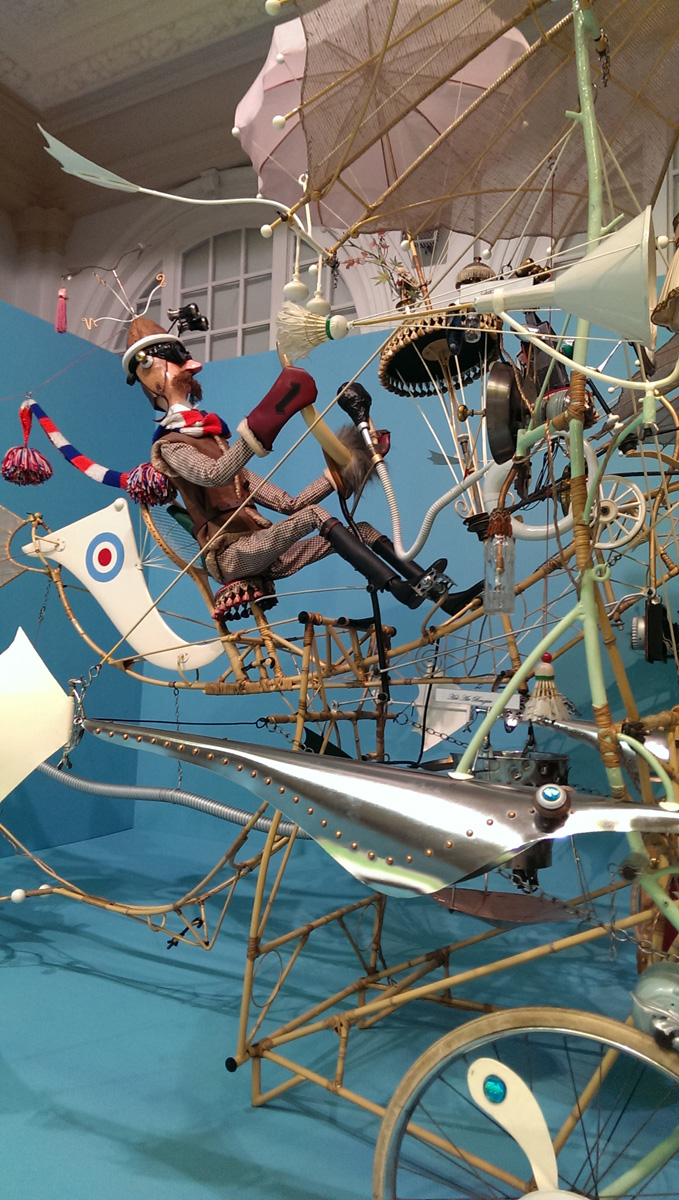
One of the exhibits that stood out must to me amongst all the treasures currently on display at Brighton Museum & Art Gallery was ‘The Featherstone Kite Flying Machine’ by Rowland Emett. It’s a piece of machinery that you turn on by waving your arm over the sensor, which is an aspect I like about it because it made you feel part of the machinery as without you waving, it wouldn’t work.

However, most of all, it reminded me of my childhood. It’s like one of your wildest dreams come to life, with a cheese grater made into a robot, pretty lamp shades used as lights to guide this flying bike and a teacup swirling round underneath a pink parasol and flowers, accompanied by the sound of an old merry-go-round. But I also couldn’t help but interpret it as a twist on Salvador Dali’s painting ‘The Temptation of St. Anthony’, like a more homemade version of the long-legged animals holding up beautiful golden carriage-like buildings.Rowland Emett, Chitty Chitty Bang Bang, Brighton Museum, Exhibitions

Rowland Emett’s creation made me fall in love with museums all over again, and reminded me why I’m so fond of Brighton Museum because no matter how many times you may see an item at the Museum, it makes me so happy to know that it was once a little piece of someone’s life, a piece that we get to see. From different clothes from over the years, to an Ancient Egyptian mummified girl, they are all remembered. You don’t need to do something huge, or become famous, it’s just adding a little something different to our generation. And I think Rowland Emett captures this feeling perfectly in his machine. It’s not made for a specific purpose, just for us to admire and to bring our imaginations to life and to hopefully encourage others to do something they love.

As you turn to walk out from the South Balcony where it’s on display, look back at the smiling wooden gentleman propped up on his bike, wishing us good luck with a shiny horse shoe, and think about how it makes you feel. Emett may have not meant for these feelings to come out of his machine, but I think this creation offers more than what the eye sees at first glance. And for all these reasons, that’s why ‘The Featherstone Kite Flying Machine’, stood out most to me.

Frances Crespin, work placement at Brighton Museum & Art Gallery


A Garden Museum for Everyone

This is a legacy story from an earlier version of our website. It may contain some formatting issues and broken links.

InstagramCapture_7353c7a6-c860-4d6b-bfed-8caa94748756Several years ago I lived in Edinburgh. Few British cites can compete with its beauty – nope, sorry Brighton! – and one of the biggest pleasures this fine city afforded was strolling down the hill towards the New Town (another fine example of grand Georgian designs) past the Queens Gardens, sprawling, lush and immaculately tended – and also, controversially, private, accessible only to those lucky few who lived in a property on the square and thus enjoyed the privilege of owning a key to these once public pleasure gardens. I always used to think of this as a classic example of typically cloistered Edinburghian selfishness.

Nowadays I live on the Sussex Square crescent – England’s largest – and am one of those few who get to enjoy the very same unfair privileges in the Kemp Town Enclosures, as they’re rather snootily named. The irony of this shifting perspective isn’t lost on me, but equally I’m very glad that the city has a few green spaces fully open to the public, 24 hours a day.

How many times have you wandered through the Pavilion Gardens without really (*cliche incoming*) stopping to smell the flowers? I don’t know about you, but it’s always a firm fixture on my route to Brighton Museum or just through town, and while I always enjoy it, I probably have not really given it enough thought in the past. And let’s be honest, Brighton is not exactly overburdened with pleasant green spaces, so why not take the chance to fully appreciate this verdant little patch of paradise on our doorstep?

WP_20150604_14_32_19_Pro

That’s precisely what I did this week when I tagged along for a garden tour and a very civilized cream tea with The Head Gardener Robert Hill Snook, who looks after the garden with one part time assistant and a team of 15 skilled volunteers. Just a few days earlier the garden had got a fair old drubbing by one of those unseasonably dramatic storms, troubling the branches of one of the aspen trees, but today summer was most certainly in evidence.

Robert greeted our small group at the main Pavilion entrance and took us around the garden, filling us in on its history, design, features and plantings, while also dispensing some handy gardening tips on hardy plants that thrive in the coastal sea environment for the budding home gardeners assembled.

WP_20150604_14_47_49_Pro

The Pavilion Garden was created by John Nash in the picturesque style. In other words it was deliberately designed to frame these remarkable buildings and reveal a series of views to maximise the effect of seemingly discovering it anew, as you turn a corner.

The garden emerged during the Regency era at a time when the concept of landscaped gardens was still very much in its infancy. It’s not a typical Regency garden, so you won’t find any striped lawns, mazes or mannered topiary peacocks here. Instead it’s been largely inspired by nature itself, with the New Forest being one particular reference point.

WP_20150604_14_25_54_Pro

As you’d expect, it’s managed entirely organically, with most plants offering a single flowerhead, making it much easier for the bees to pollinate them – and despite their declining numbers in general, there seemed to be no shortage of them here.

Of course some of the wildlife that inhabits the gardens also bring challenges, such as the Wood Pigeons and Collared Doves who seem to enjoy munching away on the blossom of Lilac and May Blossom trees. Predictably the garden also suffers a little for staying open round the clock, when humans commit occasional acts of nocturnal vandalism.

What was more surprising to learn is that it’s an entirely authentic 1826 garden. This means you’ll find only plants and trees available at that time. In fact, Robert described it as a ‘garden museum’, explaining that the various ‘Keep off the Grass’ signs exist for sound conservation reasons to protect some ailing and ancient trees.

Reinforcing its museum credentials, the garden also hosts the national elm collection. One of the stars of the show is the huge 130 year old Weeping Wyeth Elm, while the garden’s oldest tree is an English Elm dating back to 1776, its trunk now hollowed and protected by wire meshing.

WP_20150604_15_16_49_Pro

Robert also pointed out the phased natural effect. The closer you get to the buildings the more floweriferous and colourful the blooms become, while the everything gets greener and more natural-looking on the fringes.

The Regency period also saw the beginning of the plant hunting era and the garden reflects this with a number of varieties of exotic plants from India, China and the far east including Tree of India (Koelrentaria Paniculata), Rosa Chinensis Mukabilis, and Abelia Chinensis.

Then there are the other signs of life in the garden which lend it character and elevates it from being a museum to being more of a living, organic creature. The families and students picnicking in the public stretches of the garden, the groups of foreign exchange students milling outside the Pavilion entrance, the clarinet and glockenspiel duo playing their hypnotic, seemingly looped lullaby for all eternity.

The Pavilion Gardens Cafe is a favourite spot for many of course, with its elegant art deco curves and cream colours it blends in effortlessly with its rather more extravagant neighbours. The cafe itself is a former seafront tea kiosk transplanted to the gardens in 1941. Nowadays it’s enlivened by its single baby topiary elephant. I learned that he was one of several which were auctioned off for charity several years ago.

Mr Herbert Tennent's seafront kiosk on Brighton Beach near the West Pier, 1930s.

Mr Herbert Tennent’s original seafront kiosk on Brighton Beach near the West Pier, 1930s.

I have to say that I somehow felt vaguely Colonial sitting on the Royal Pavilion Tea Room’s terrace enjoying a delicious cream tea. From here you get an excellent vantage point to look over the gardens in all their splendour. Perhaps this is a trace of deferred guilt for the private gardens I get to luxuriate in on a regular basis?

WP_20150604_14_31_09_Pro

So while I enjoy the privacy of my own gardens, I’m glad that everyone gets to share these – and taking this tour only makes you appreciate them all the more.

Jools Stone, Blogger in Residence

More information
 

Cream Tea with the Head Gardener

This is a legacy story from an earlier version of our website. It may contain some formatting issues and broken links.

Did you know that the Regency gardens initialed the installation of the modern British garden? Or that it is the first point of call for migrating birds? Or that the Royal Pavilion boasts one of the only Regency gardens in the country?


Float along with Head Gardener Robert Hill-Snook and let him dazzle you with his knowledge. It is an afternoon treat you will not forget, concluding with a rich cream tea, fit for any king or queen.

Personally, as a member of staff, I’ve no knowledge of the gardens and have often found them, dare I say it, messy. There is purpose in the structure though, as I later found out.

The tour started slow but its foundations are vital. I don’t want to spoil things but you learn why the irregularity of the garden’s shape works to frame the palace.

Robert comes across as the easiest of tour guides, being half walking horticultural dictionary and half charismatic chaperone. What struck me was how passionate he is about the place and how far he goes to protect it. “Vandalism is a big threat to the garden,” he tells us, not only from late night thieves, plucking flowers, but from the foilage-eating pigeons.

Every thing in on a plan, he later goes on to explain, and is meant to reflect nature. The heart of the countryside in the heart of a city would be a better way of describing it. From the King’s Roses to the Strawberry Tree – all things are accounted for in the plan.

Later Robert dazzled us with an assortment of facts. To pick one, we learned how Butchers Broom was once used as a cleaning tool in the kitchen. But my favourite fact was that there was a tree in the garden that had been planted on the day of America’s independence.

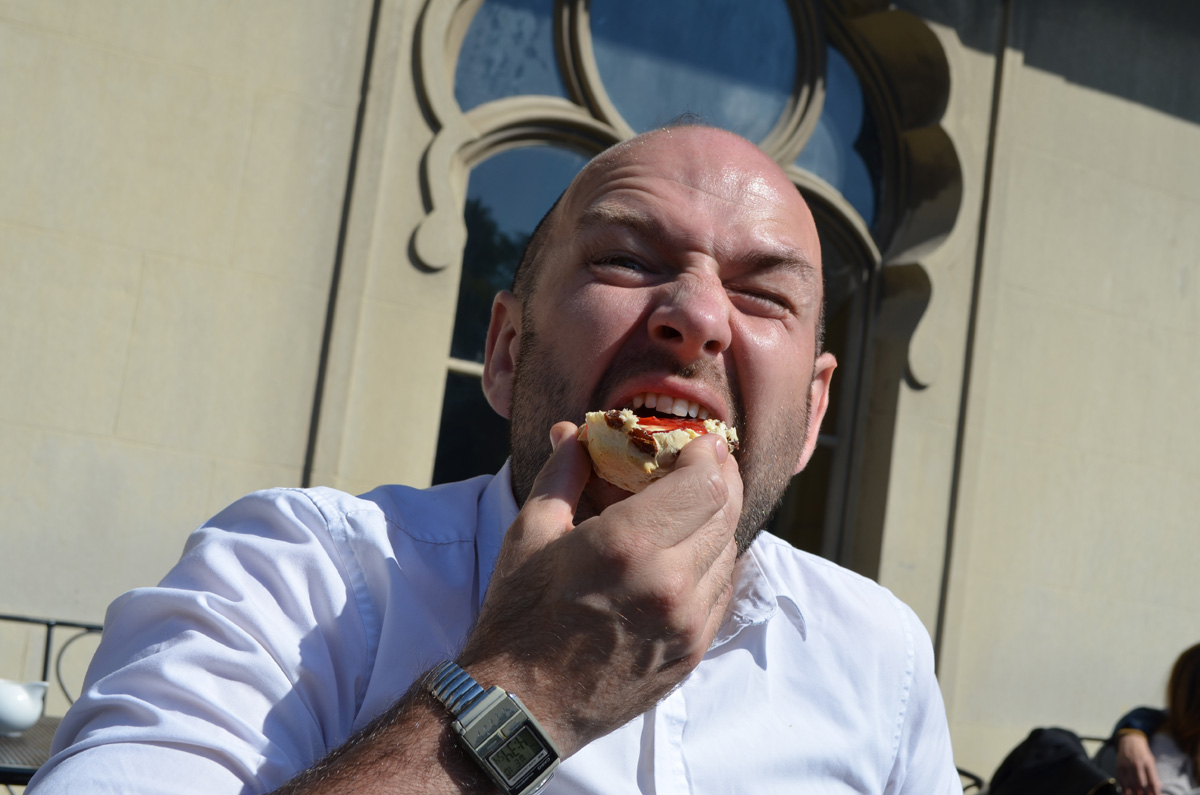
After the breezy stroll, our cream tea was delivered on the wonderful café balcony, on which you get a fantastic view of the entire garden. Don’t attend this tour if you are on a diet as an ice-cream sized scoop of cream awaits your screaming hips. Top this with jam on a towering fruit scone and you have the perfect cream tea.

Lots of jam!

Lots of jam!

If I were you, I wouldn’t wait to book this tour. Robert welcomes people to take advantage of his mountain of garden knowledge. This summer opportunity is like the French Rose, the Petite Lizette, it only flowers once!

Wildlife Photographer of the Year. A review.

This is a legacy story from an earlier version of our website. It may contain some formatting issues and broken links.

Wildlife Photographer of the Year is an exhibition in collaboration with the Natural History Museum in London showcasing photos in a competition to find the picture or pictures to determine the ‘wildlife photographer of the year’ or the ‘young wildlife photographer of the year’.

The exhibition is being shown currently at the National History Museum in London but is also being shown at many local museums dotted around the UK. I saw the exhibition in Brighton Museum – wedged in between Jubilee Library, the pier, the Royal Pavilion and Old Steine.

To keep as evidence that I went to the exhibition, I bought postcards at the shop, picked up leaflets in the library and outside the museum and even kept my train tickets on the day.

After seeing the exhibition, I learnt that wildlife photography isn’t just bland and dull photos of animals, but photos that take and have effect and have thought, time and interest funnelled into them.

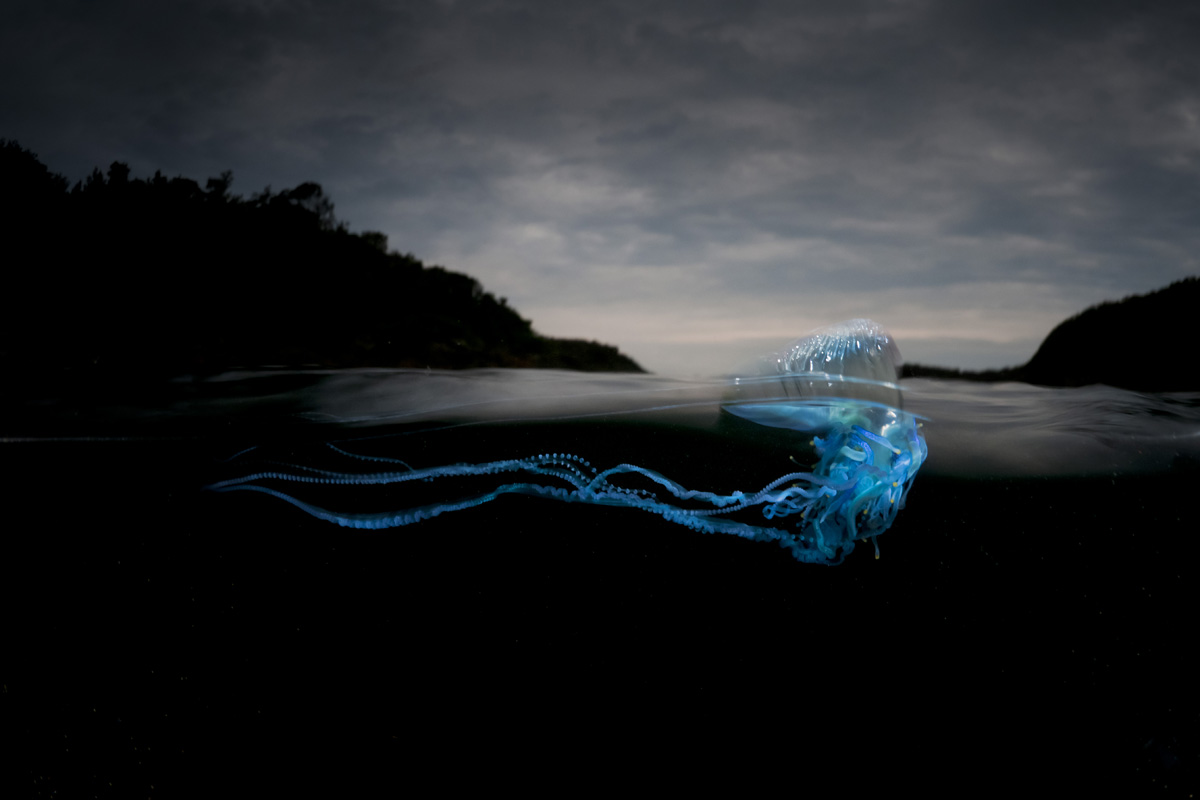
Sailing By © Matthew Smith (Australia)

Sailing By © Matthew Smith (Australia)

What could be improved? Not much, I suppose! For me it was a calm, relaxing and interesting experience – the staff were happy, content and helpful and all was well. My only recommendation for improvement would be a better choice of postcards – when I looked there were only three different images from the exhibition. There should also be more of a choice of leaflets. Apart from that, it was a 9 out of 10 trip for me.

I would recommend this highly to anyone with a good sense of photography, knowledge and/or understanding of photos as it would interest those to no end.

If I had specific people I could recommend this exhibition to, it would be people from my photography club. This is due to the fact that this exhibition sports a highly exquisite collection of taxidermied animals such as birds; eagles, hummingbirds, ptarmigans, capercaillies and many more other interesting, taxidermied animals such as turtles. It also sports a wonderful collection of skeletal artifacts. Many pictures include sunsets and night time scenes as well as many images that they would love, due to the effects; mild distortion and long exposures which my friends are thoroughly interested in. The images have amazingly-put titles some of which include ‘Big Daddy’, ‘Sailing By’, ‘The Mouse, The Moon and The Mosquito’ and ‘Beach Guardian’. My favourite of which include ‘Beach Guardian’ – a goliath of a tree shrouded in fog with its glorious roots just dipping above the mist.

Alfie

Alfie has been working with Photoworks and Brighton Youth Centre to do a Silver Arts Award