Take it off!
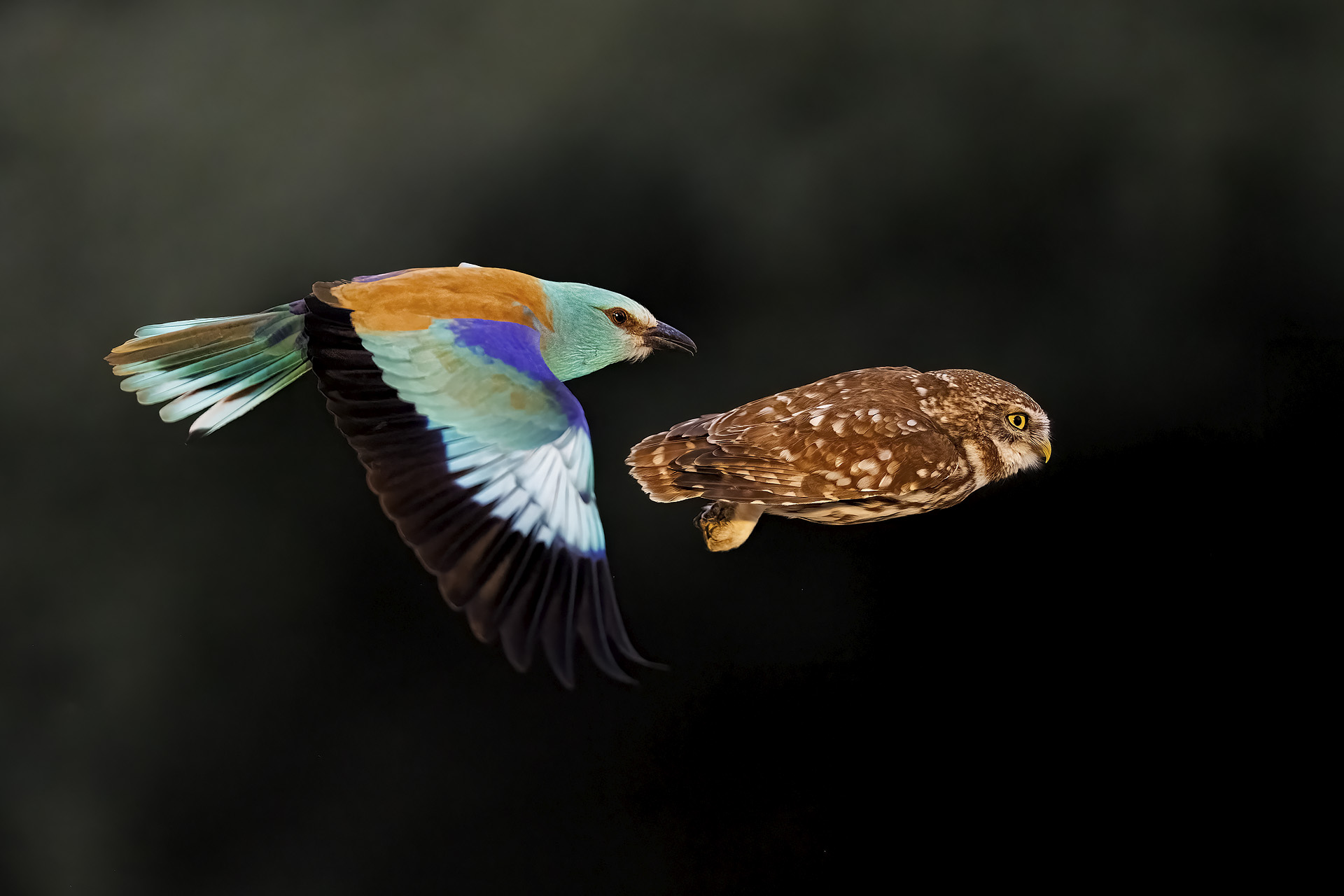
Brighton’s famous seagulls are stepping aside as Wildlife Photographer of the Year swoops into Brighton Museum & Art Gallery, bringing a fresh cast of wildlife into focus.
The world-renowned exhibition, now in its sixty-first year and on loan from the Natural History Museum in London, will open at the city’s museum this Saturday 9 May featuring some of the most exceptional nature photography taken today from across the globe.
The exhibition shines a light on powerful and fascinating images that capture hidden animal behaviour, spectacular species and the breathtaking diversity of the natural world. Using photography’s unique emotive power to engage and inspire audiences, the images share stories and species from around the world, encouraging a future of advocating for the planet.
Wildlife Photographer of the Year is the most prestigious photography event of its kind. Launching in 1965, today the competition receives entries from 113 countries and territories all over the world, highlighting its enduring appeal. This year’s award-winning images will embark on an international tour that will allow them to be seen by well over a million people.
This round of the competition (which was displayed in London in 2025) attracted over 60,000 entries from photographers of all ages and experience levels from 113 countries and territories. During an intense week at the Natural History Museum in London, entries were judged anonymously on their creativity, originality, and technical excellence by an international panel of industry experts.
Hedley Swain, CEO of Brighton & Hove Museums, said:
“We are delighted to bring this world-class exhibition to Brighton once again and we know it is a firm favourite with our visitors. These incredible images do more than just showcase the beauty of the natural world; they provoke vital conversations about our environment and our responsibility to protect it. It is an honour to host such prestigious work that resonates so deeply with our city’s passion for creativity and conservation.”
On tour from the Natural History Museum, Wildlife Photographer of the Year opens on 9 May 2026 and runs until 6 September 2026.
Brighton Museum & Art Gallery admission applies, with resident and group discounts, members go free.
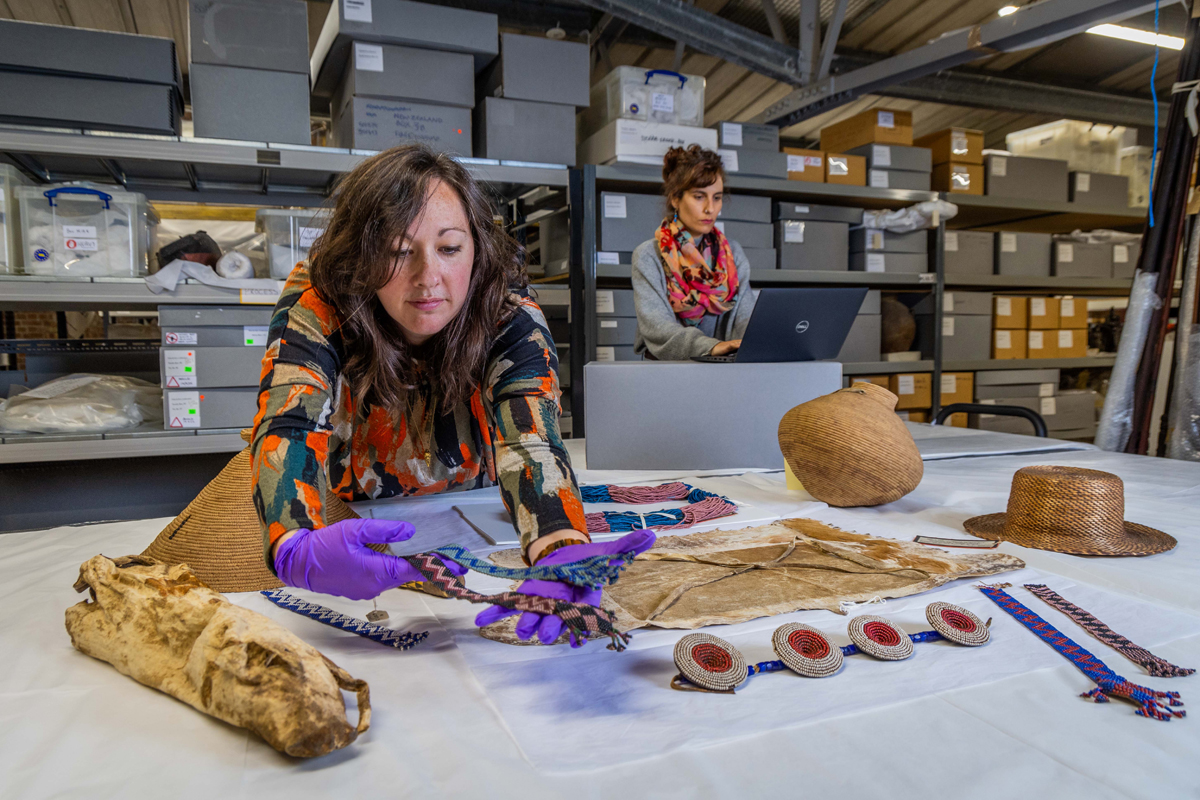
Brighton & Hove Museums has announced the forthcoming repatriation of 45 cultural artefacts from its collection to Serowe, Botswana. It is believed to be the first substantial return from a UK museum to Botswana in response to a repatriation claim.
The return is part of a partnership between Brighton & Hove Museums and Khama III Memorial Museum in Botswana. Relationships were established through the ‘Making African Connections’ project led by the University of Sussex that undertook collaborative provenance research in 2019 to 2021.
In 2022, Khama III Memorial Museum formally requested the return of the artefacts, a collection of clothing, accessories, hunting implements and domestic items originally acquired in the late nineteenth century from the Gammangwato region of Botswana. With support from the James Henry Green Charitable Trust, Brighton & Hove Museums will fulfil this request and contribute to the development of a new permanent exhibition in Serowe, where the items will be displayed for the first time.
A historical journey that shaped a legacy
The exhibition will trace the journey of the artefacts from their acquisition in the 1890s by Reverend William Charles Willoughby to their return to Botswana. Willoughby, a missionary who lived in Old Palapye at the invitation of Kgosi (Chief) Khama III, worked closely with him as a translator and advisor, developing a strong interest in local ways of life
He likely collected the items as discards from African Christian families or purchased them from locals, artisans or storekeepers during a period of significant social and political change, before giving them to Brighton Museum in 1899, where they remained separated from the communities and knowledge systems that shaped them.
The rich historical connections between Botswana and Brighton were cemented in 1895, when Khama III travelled to the UK with two other chiefs from the Tswana-speaking regions of southern Africa to petition the British government to maintain Botswana as a protectorate. Willoughby accompanied the delegation at Khama III’s request. This visit established lasting links between Botswana and the UK, forming part of the deeper context behind the collection’s presence in Brighton and its return today.
Portia Tremlett, Curator, World Cultures Curator at Brighton & Hove Museums, said:
“This repatriation represents an important step in reconnecting these artefacts with the communities, histories and knowledge systems that give them meaning. We are proud to be working in partnership with Khama III Memorial Museum to support their return and to contribute to a future where collections are shaped through collaboration, transparency and shared stewardship.”
New exhibition and festivities to mark return
The Khama III Memorial Museum, located in Serowe, has been identified as a fitting home for the collection. It is the closest museum to Old Palapye, where the items were originally acquired, and serves a diverse community connected to the histories represented in the collection.
The artefacts are due to be returned in April 2026. A team from Brighton & Hove Museums is working with curators at Khama III Memorial Museum to develop a permanent exhibition to open 27 May 2026.
The opening will be accompanied by a two-day international summit hosted by Khama III Memorial Museum in collaboration with the University of Sussex and the University of Botswana, fostering dialogue on heritage, repatriation, museums, conservation and tourism. A cultural festival inspired by the repatriation initiative will also take place in Serowe to celebrate Botswana’s identity, memory and creativity.
Gase Kediseng, Curator at the Khama III Memorial Museum, said:
“The return [of the items] represents more than just a physical relocation; it is an act of restoration. Repatriation reconnects objects to living knowledge, memory, and cultural practices, reflecting similar efforts worldwide in which communities reclaim their heritage.
Rooted in botho [kindness and humanity], this process affirms dignity, identity, and material culture, empowering Batswana to tell their own story on their own terms through objects that represent who we were, and who we continue to be.”