Royal Garden Restoration
Our beloved green oasis
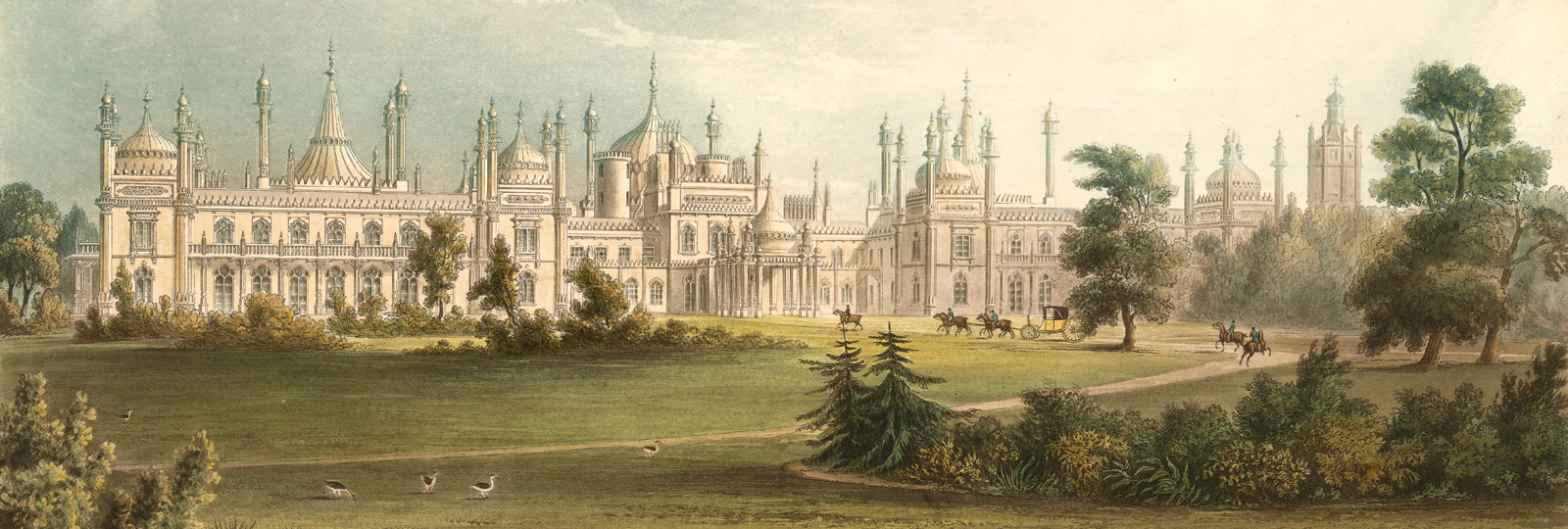
The Royal Pavilion Garden is a rare and nationally important example of a Regency Picturesque garden. Created by architect John Nash and planted by royal gardener William Aiton, it was at its finest around 1830. The Garden is a distinctive historic landscape in the heart of the city and has become a tranquil oasis in the city for public use since the mid-19th century.
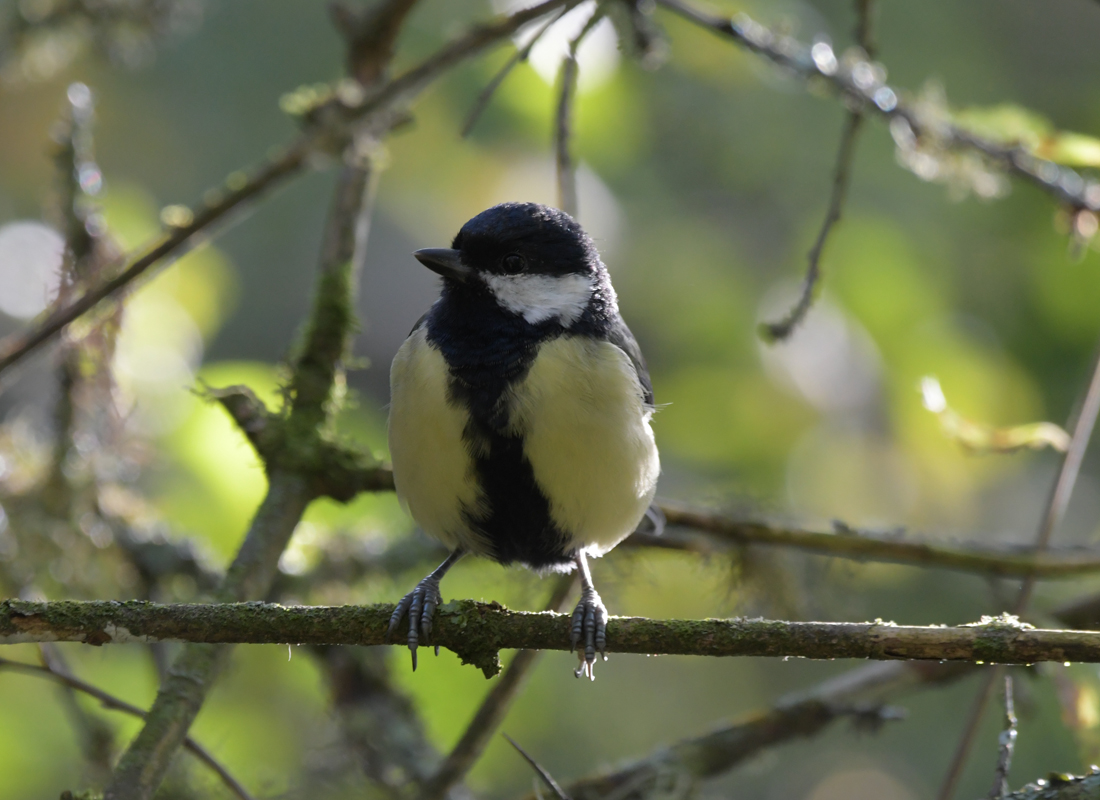
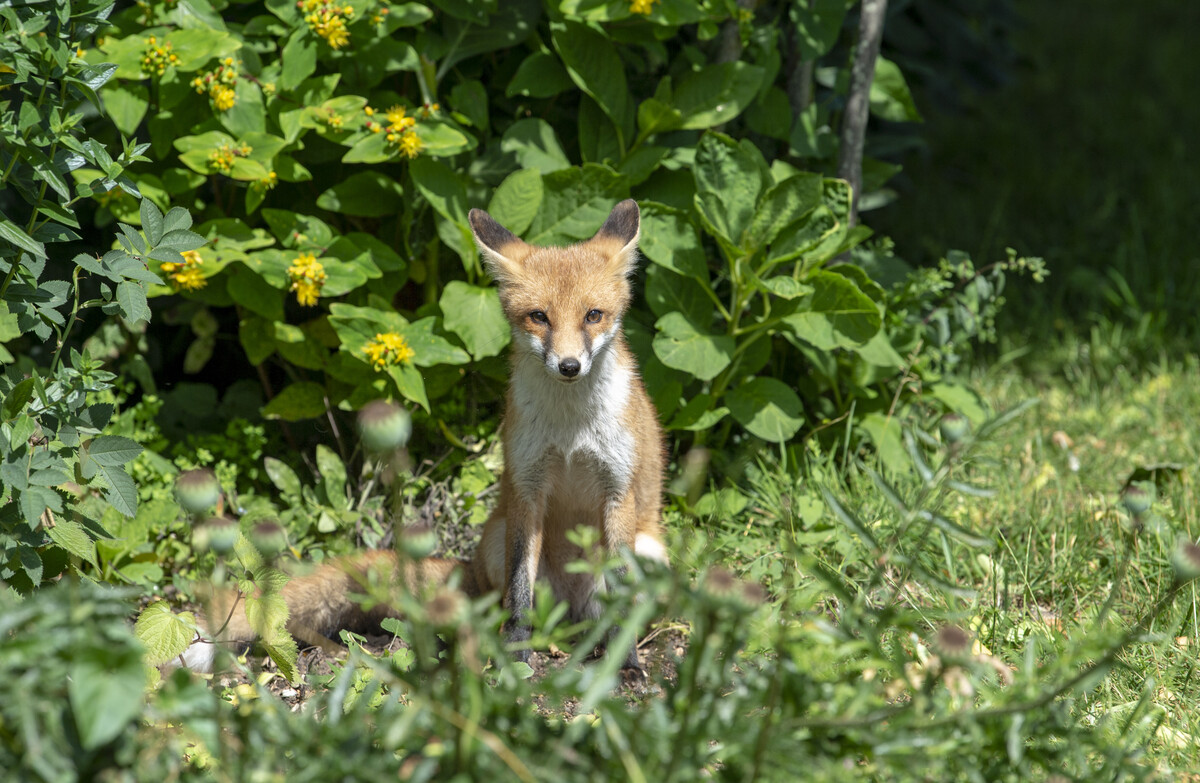
The Garden is cared for by a dedicated team of skilled gardeners and local volunteers. They use organic principles to provide essential habitats for wildlife and biodiversity. We’re all super grateful.
It’s also home to some of Brighton’s oldest and rarest elm trees. These are part of the National Elm Collection. This includes rare specimens of which there are only twenty worldwide. Brighton & Hove is a core part of The Living Coast UNESCO Biosphere Reserve. This is due in part to the significant number of elm trees in the city. Listen to the elms, they’re wise. They’ve seen it all. Press your ear to their trunk. Hear their stories.

A fall from grace
This garden is a national treasure, but it’s seen better days. So much so, it’s on the Heritage at Risk Register. This means it’s a priceless landscape in a precarious state. Preservation is essential, not just for the garden itself and the Royal Pavilion it graces, but for wildlife and biodiversity.
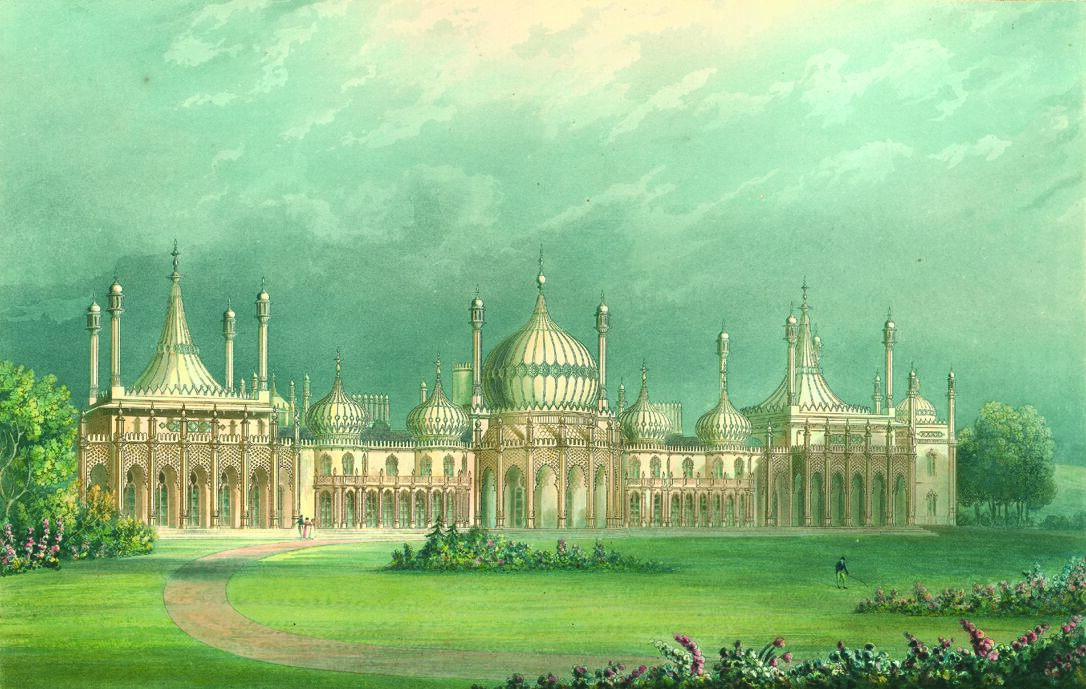
In the 1820s, King George IV commissioned visionary architect John Nash to design the Pavilion and garden. He wanted a masterpiece of holistic harmony. A blend of architecture, and horticulture. And John bedazzled him. Look around you at the layout, the views and the plantings. All were fashioned to mirror the Pavilion’s radical architecture. They are inseparable in their historic and cultural significance.
Queen Victoria sold the estate to the people of Brighton in 1850. Overnight, it became a prized public space. Today it remains under the ownership of Brighton & Hove City Council. It is managed by Brighton & Hove Museums, who care for the Pavilion, its collections, the Garden and the wildlife who call it home.
The Great Garden Revival
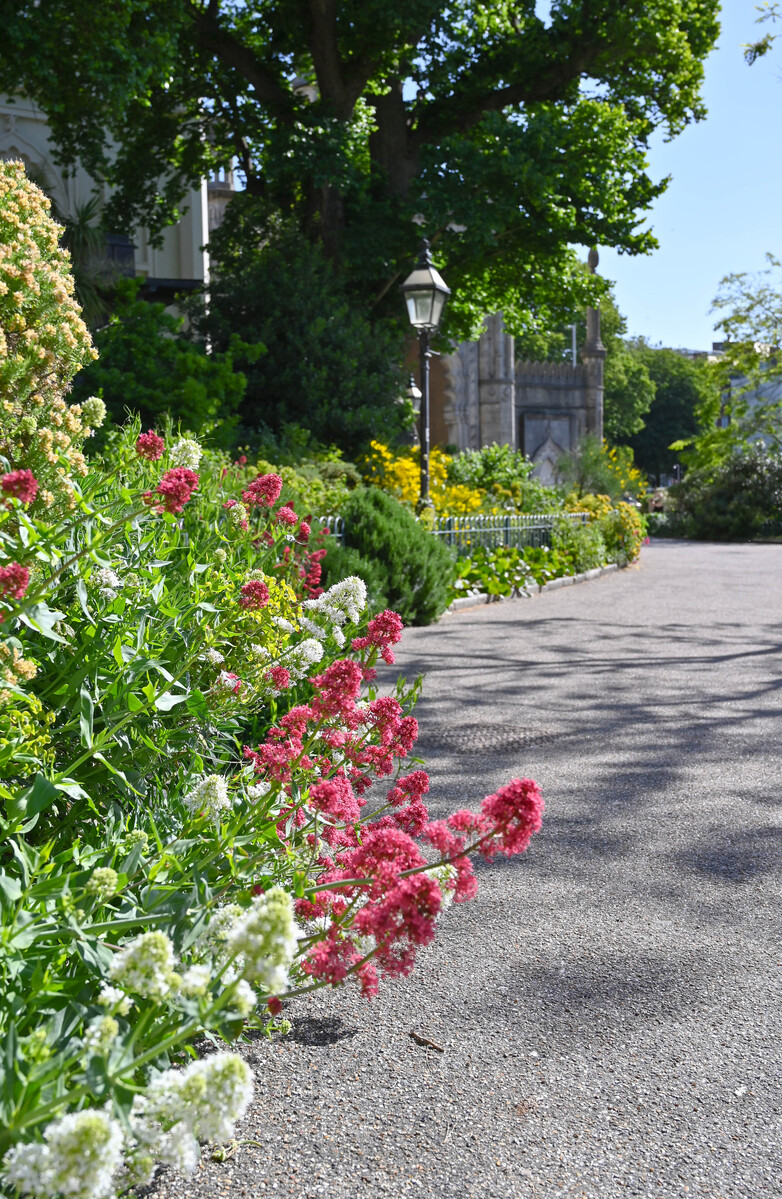
Specialist teams are starting to restore the Royal Pavilion Garden. We will be
- Reinstating the Regency picturesque design
- Reviving serpentine paths
- Reviving naturalistic planting
- Improving access and facilities for all visitors
- Reviving the unique beauty that makes this space so special
The overhaul includes
- Widening pathways for easier access
- Installing new benches
- Installing a Changing Places toilet
- Reinstating the boundary railings
- Helpful signage
- New outdoor educational spaces
- Enriching the soil
- Caring for the remarkable trees and plants
This is one big community effort. Local volunteers, gardeners, heritage experts and contractors are all working together. We are all working to safeguard this green space, support Brighton’s wildlife, and preserve the city’s living heritage. An extensive engagement programme will involve young people, families on low incomes, people living with mental health issues, and people with disabilities.
A Garden for everyone
Once the restoration is complete, the Royal Pavilion Garden will be healthier and more welcoming for all.
The project will extend interpretation, volunteering, learning, and community engagement into The Garden. This will be part of its permanent offer. Brighton & Hove Museums is working with partners and community groups to ensure The Garden will be a safe, accessible, and well-cared-for public space.
Come along, get stuck in. Join as a volunteer. Take part in a community activity. Support the restoration and future of The Garden.
The big picturesque
The Garden restoration is Phase 2 of the Royal Pavilion Estate plan, an ambitious 3-phase project to redevelop this important historic quarter of Brighton & Hove and restore and reconnect the historic Royal Pavilion Estate.
Phase 1 involved the restoration of Brighton Dome’s historic Grade I and Grade II listed Corn Exchange and Studio Theatre. These re-opened in Spring 2023.
Phase 3 will focus on restoring the Royal Pavilion itself. We will be opening up new spaces to visit and protecting its iconic roof line. We will be replacing many miles of aged cabling and plumbing throughout the building.
Brighton & Hove City Council, Brighton Dome & Brighton Festival and Brighton & Hove Museums are working together to deliver this transformation. It will cement the Royal Pavilion Estate as a landmark UK destination for heritage and the arts.
The Garden restoration project has been made possible by a major grant from the National Lottery Heritage Fund, funding from Brighton & Hove City Council and Brighton & Hove Museums. Additional support from trusts, foundations, local donors, visitors, and community groups will help complete the restoration.