Tree Management in the Royal Pavilion Garden
Visitors may notice some activity in the Royal Pavilion Garden this week as a programme of tree management and preparatory works takes place from Wednesday 4 to Friday 6 November.
The work forms part of the ongoing care of the Garden, alongside preparations for the major restoration project, which will bring the historic landscape closer to John Nash’s original design.
The restoration will see 16,000 new plants introduced to the Garden, helping to renew its historic planting scheme and create a vibrant landscape for future generations to enjoy.


Two elm trees, near the public toilets and café, will undergo crown reductions to help manage their size and weight, reducing the risk of structural failure. The cuttings will be taken to a designated council site to help minimise the risk of spreading Dutch Elm disease.


Two lime trees will also be removed following an assessment of their condition and impact on neighbouring trees. One is in poor condition and is restricting the space available for nearby elms to grow. The other, a previously pollarded lime on the southern boundary, has not regrown successfully following earlier pruning.

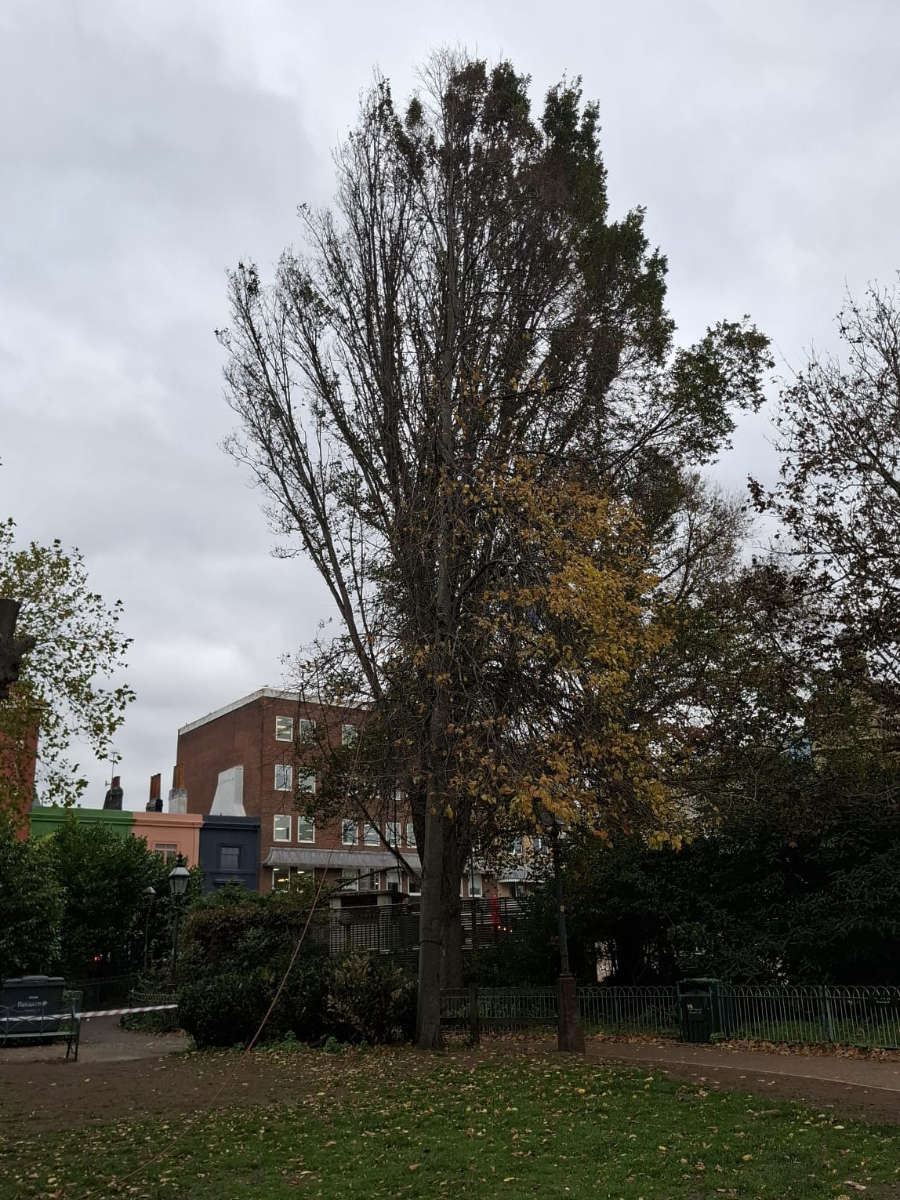
As part of the wider restoration project, a Chusan palm and Monterey pine near Palace Place will be removed to make way for a new service entrance.
This new access point, which has planning permission, will enable future events to access the Garden directly, reducing the need for service vehicles to use the North Gate. This will help protect the historic entrance and reduce vehicle movements through areas used by pedestrians.


These works are an important early step in the Garden’s wider restoration, with capital works beginning this month. The project will bring the historic landscape closer to John Nash’s original design, with 16,000 new plants introduced alongside improved accessibility, facilities and visitor spaces. Together, these improvements will help create a more beautiful, vibrant and welcoming Garden for everyone to enjoy, now and for generations to come.