Problematic Pests & Reviving Rooms – A Graduate Conservator Project Update
Conservation In Action
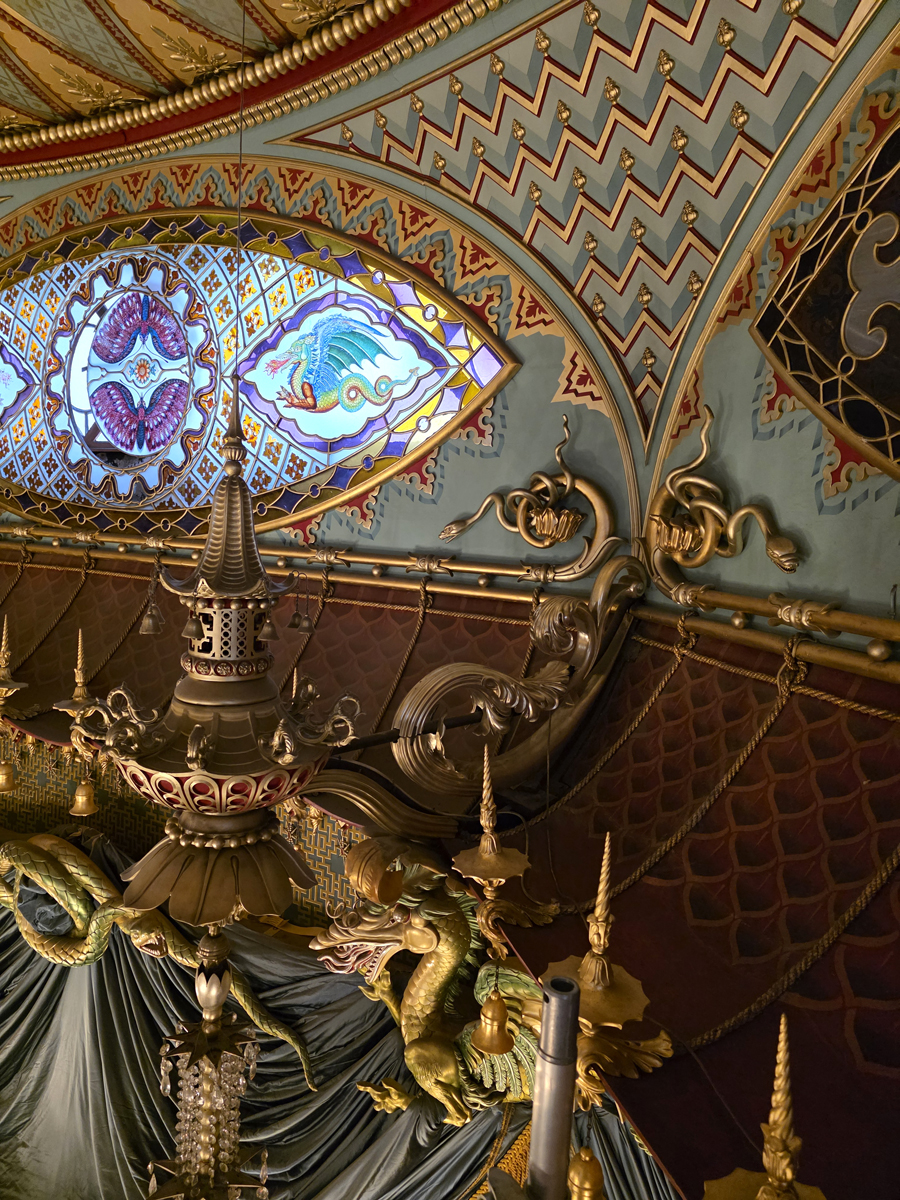
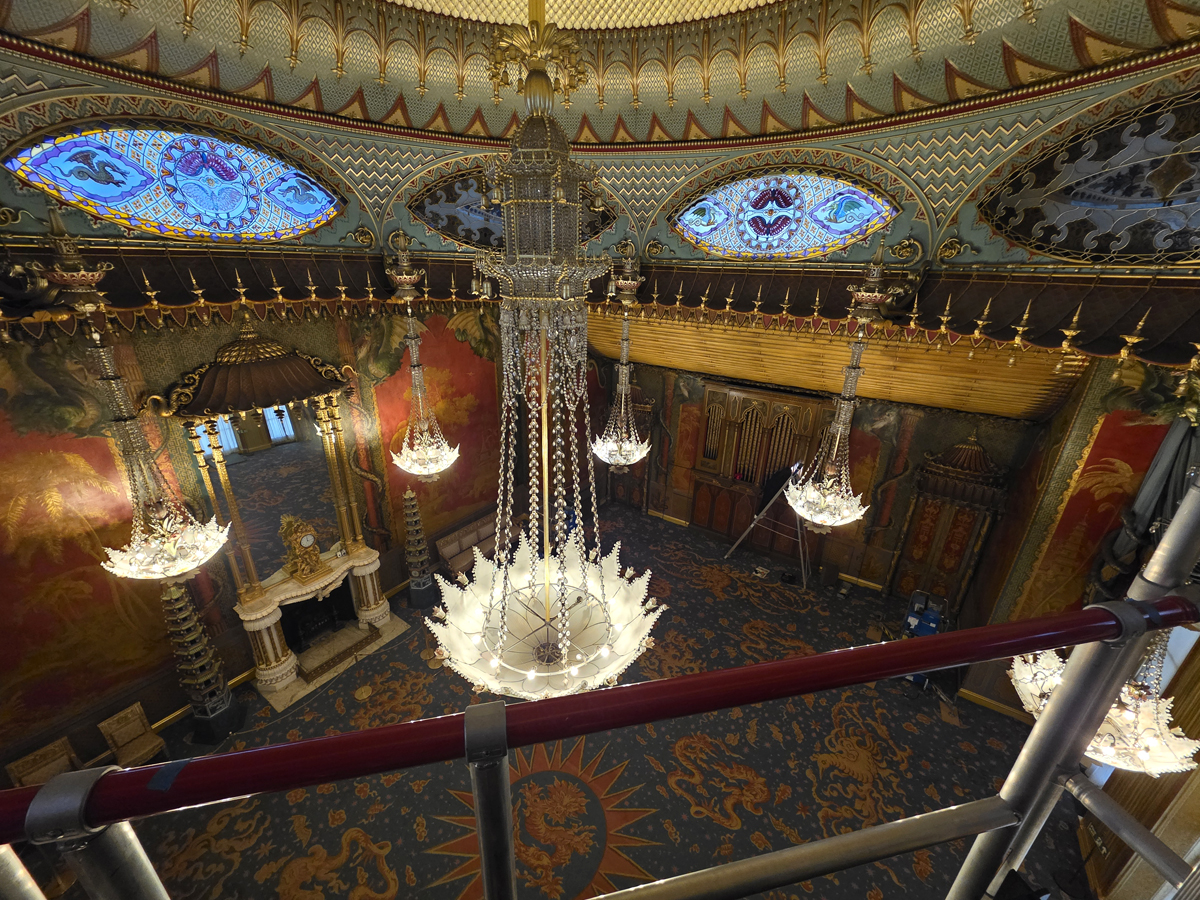
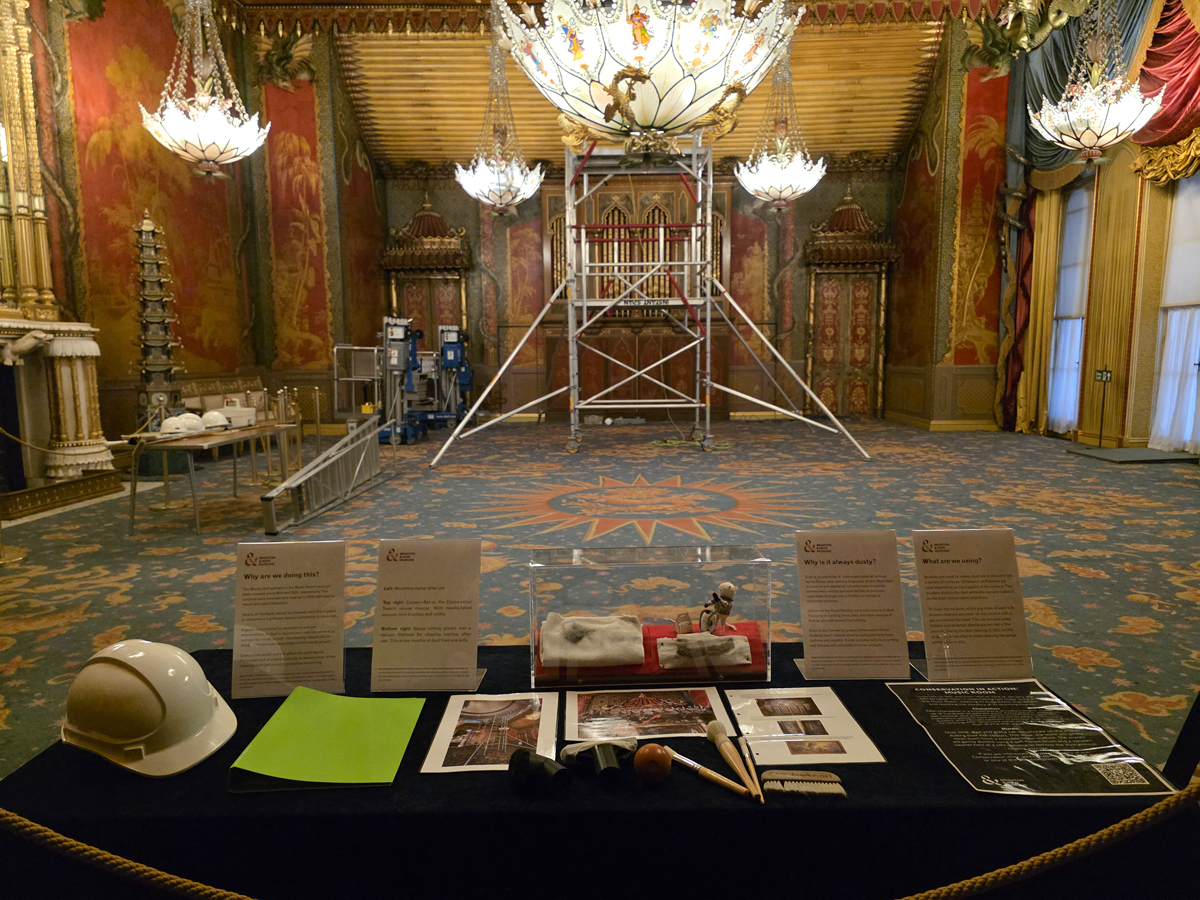
Earlier this year the Conservation team took on two weeks of work dedicated to high up areas that are not easy to access for regular cleaning. We were based in the Music Room and Banqueting Room of The Royal Pavilion. The work included the cleaning of chandeliers, curtains, walls and pelmets. The Graduate Conservators (Tessa and I) were responsible for cleaning the pelmets in the Music Room, which was undertaken from atop a large scaffold tower. Extra care was required due to the proximity of the many chandeliers, which the scaffold could barely fit between.
We used long, soft brushes to move the thick layers of dust into a vacuum. And made use of a net to ensure that dangling bells would not fall while being cleaned.
This work was completed with members of the public allowed to observe. As part of this, we produced information boards to educate them on what was taking place. We also spoke to the public to explain the project and answer any questions. This was very positively received, with a lot of visitors expressing interest and being excited to see this work first-hand.
Costume Store
Since the last blog update, significant progress has been made in the Costume Store. 15/16 racks of clothing and accessories have been fully assessed and treated when necessary. This has been greatly aided by the assistance of several different volunteers at varying times throughout the project. They were from the University of Brighton’s Curating Collections and Heritage MA course.
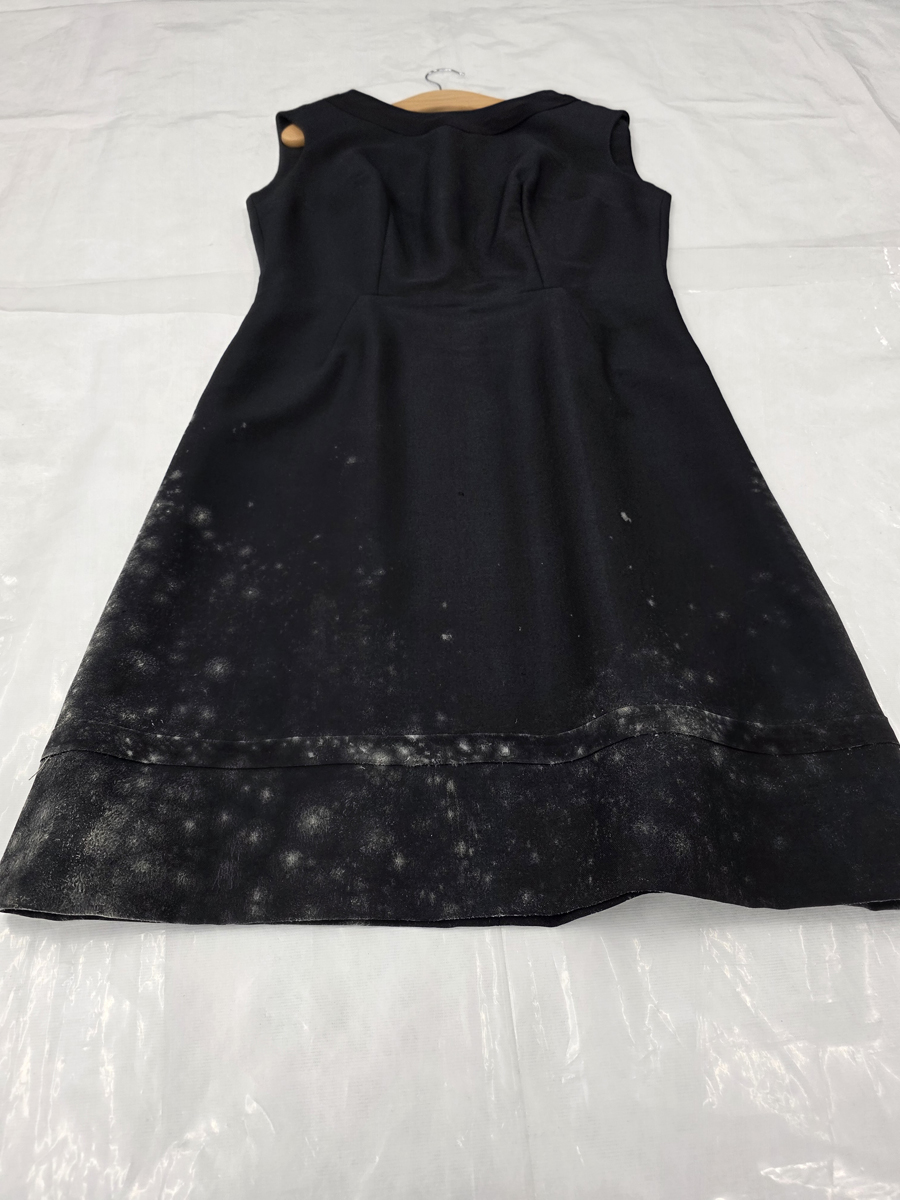
The vast majority of the issues found continued to be mould, but there have also been a few cases of severe pest damage.
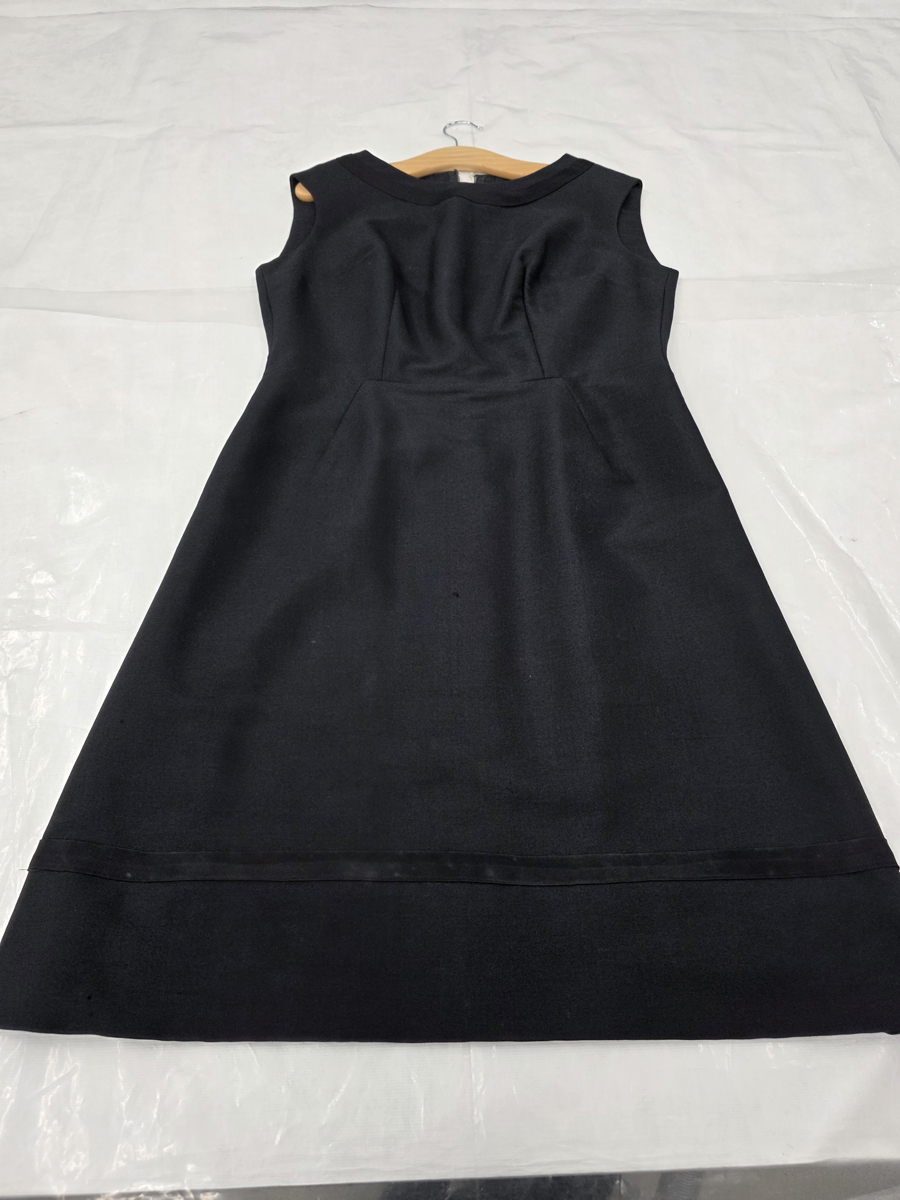
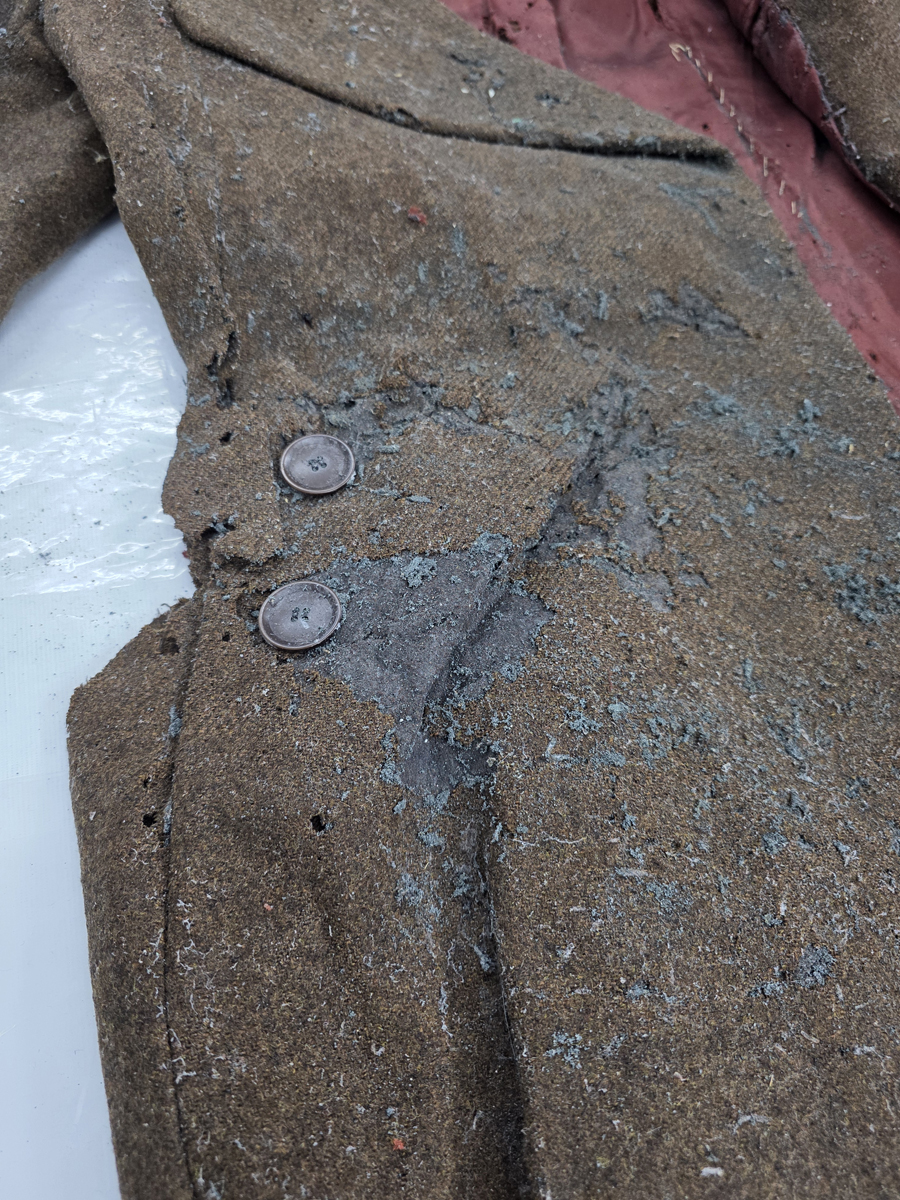
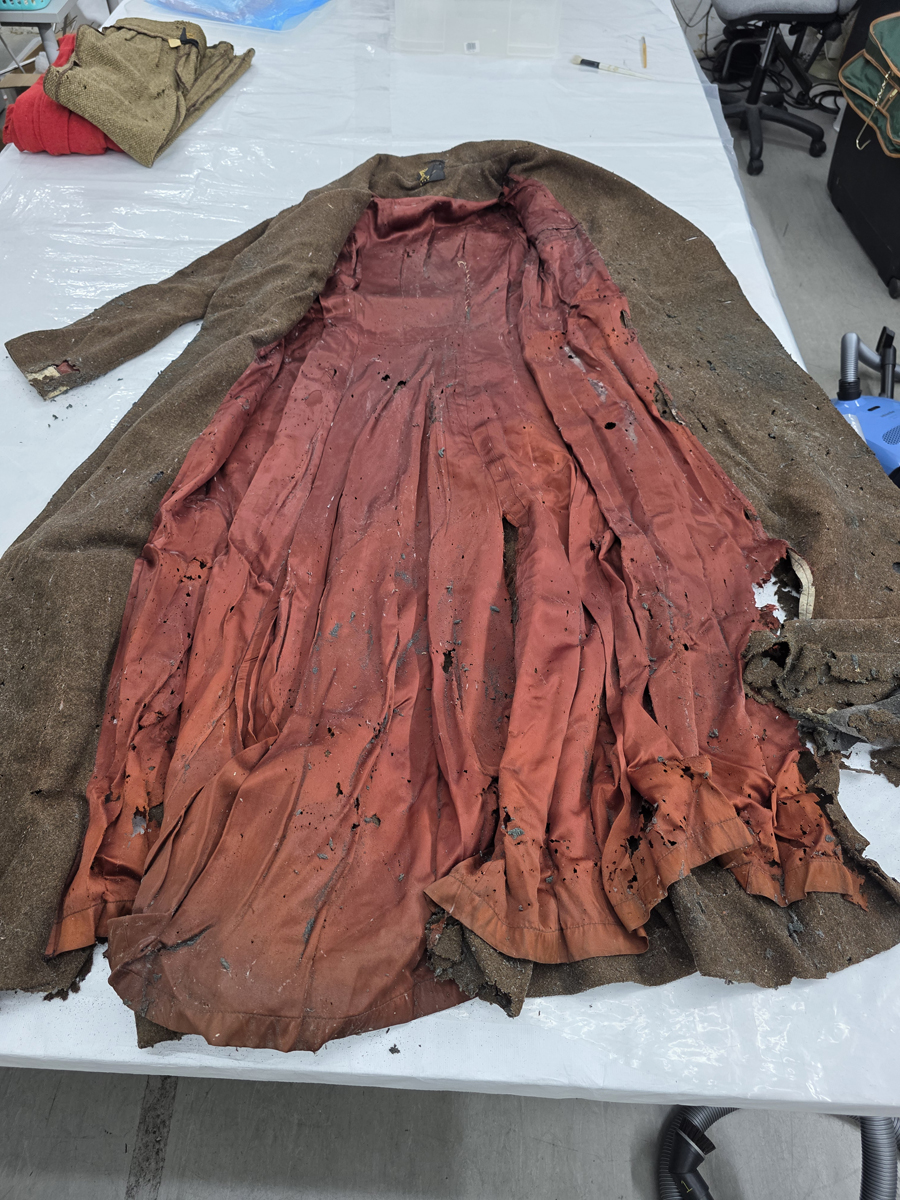
One box in particular contained a pair of trousers, jumpsuit and coat all with significant evidence of pests; case bearing clothes moths and webbing clothes moths.
Signs to indicate their presence can include irregular shaped holes and small granular deposits known as frass (insect poo). Case bearing clothes moth larvae will eat away at the object and form a case around themselves in the colour of what they have eaten. After they have emerged, they leave these cases behind.
Webbing clothes moth larvae on the other hand is identifiable by trails of a spider-web like substance. If the object appears to have living pests within then one of the first steps necessary is to ensure they are exterminated. The three most common methods are to freeze the garment below a certain temperature, to heat the garment above a certain temperature, or to remove all the oxygen in the environment. All three methods are required to be at this point long enough to kill off any of the live pests and the larvae.
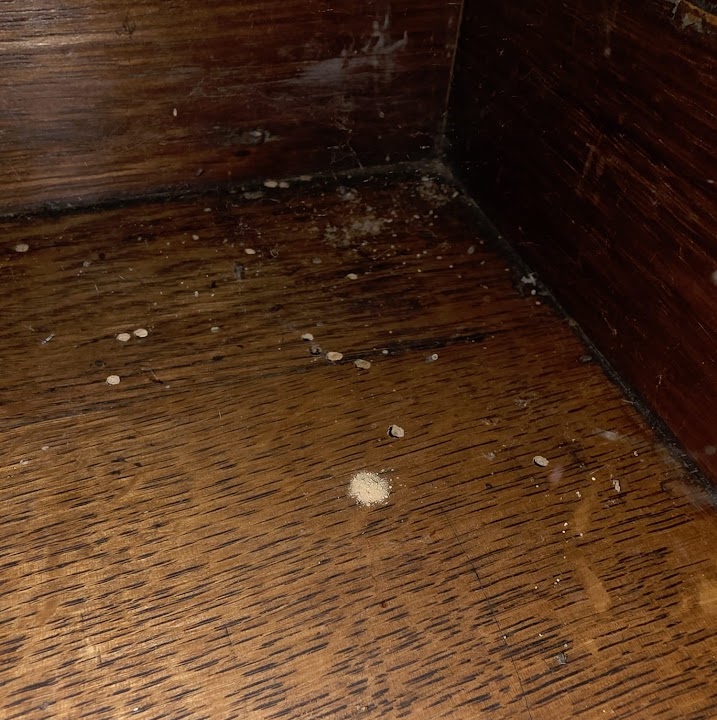
Once the infestation has been halted, progress can be made to remove some of the mess left behind. This is done with a similar method to mould – using a vacuum in combination with differing brushes.
Due to the sticky nature of the cases and webbing, sometimes extra tools such as tweezers are necessary to remove them and place into the vacuum nozzle.
Removal of the unwanted material is beneficial to restore a cleaner appearance to the object, but also allows monitoring of damage in the future. If you know a garment was cleaned on a specific date and you find new cases on it, then you know there are active pests and can treat it accordingly.
On occasion the damage to an object is too severe. The object must then enter a disposals process to be deaccessioned from the collection.
This involves research into the object to determine its significance to the collection. If it is deemed no longer suitable for the collection, it will be offered to others. First accredited museums, then unaccredited museums, then other educational institutions such as universities. If there is no suitable home for an object, then the last resort will be to recycle or throw away.
One such piece that has begun the process is this coat from the moth damaged box. It was harshly damaged across the entire inside and outside.
Given how extensive the damage to this coat was, it is likely this was the original source of the moths. With a wool exterior and silk lining, it proved enticing to the pests.
Silver
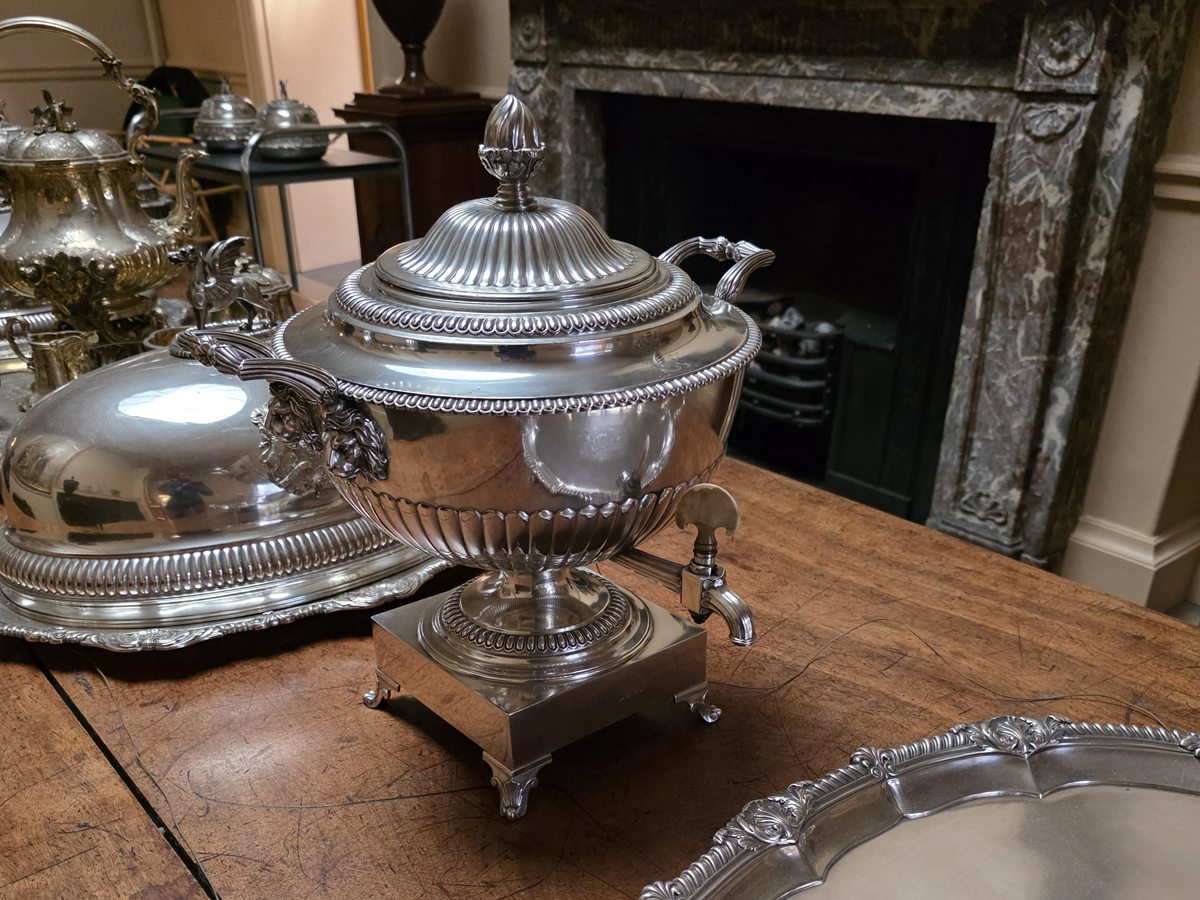
Before Christmas I was able to give most of the Table Decker’s Room’s Silver a clean. This was to make it more appealing for the holiday visitors. However, due to limited time, these were not able to be lacquered at the same time.
Since then, individual pieces have been removed to have a thorough clean and lacquer. They were subsequently returned to the table, where they now stand out drastically from the unpolished silver.
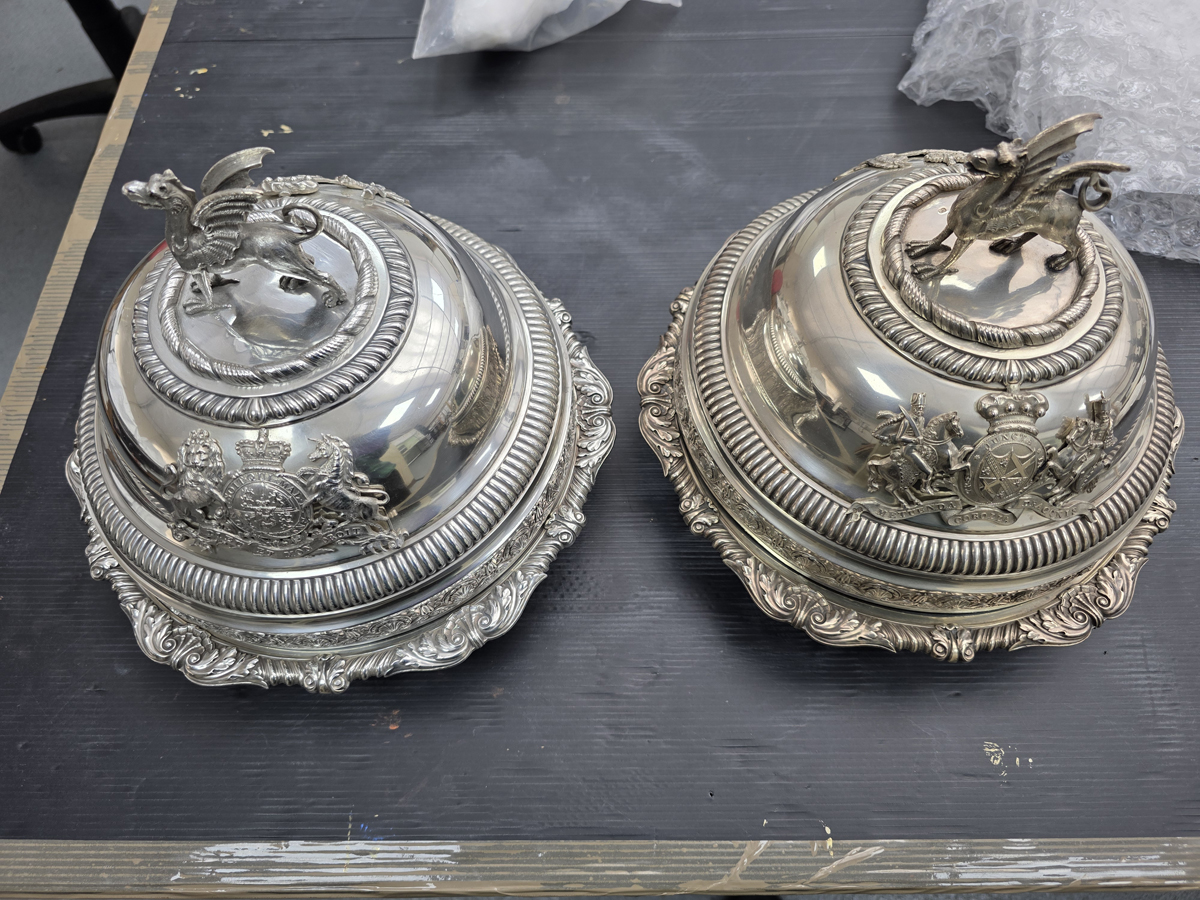
The importance of the lacquer can be observed in this image. It shows how much tarnish has been produced in just a few months on display. A freshly cleaned piece can be seen on the left. One that was last cleaned in December, but left unprotected by lacquer, is on the right.
This process is still ongoing. Six pieces of varying size and style remain to be treated before the table is complete.
Both of these projects should be concluding within the next few months. After which I will be able to report my findings and introduce my new projects. This includes work for the reopening of the Booth Museum of Natural History.
The next blog by Tessa will feature a light fading & dosimeter update from Preston Manor.