Making Connections; Our Past, Our Identity
The repatriation of 45 objects from Brighton to Botswana
In 2019-2021, Brighton & Hove Museums established a partnership with the Khama III Memorial Museum in Serowe, Botswana, through the ‘Making African Connections’ project led by the University of Sussex. The project undertook collaborative provenance research from 2019 to 2021. Our staff worked collaboratively with the Khama III Memorial Museum on research and access to the William Charles Willoughby collection that was taken from Botswana and housed at Brighton & Hove Museums since 1899.
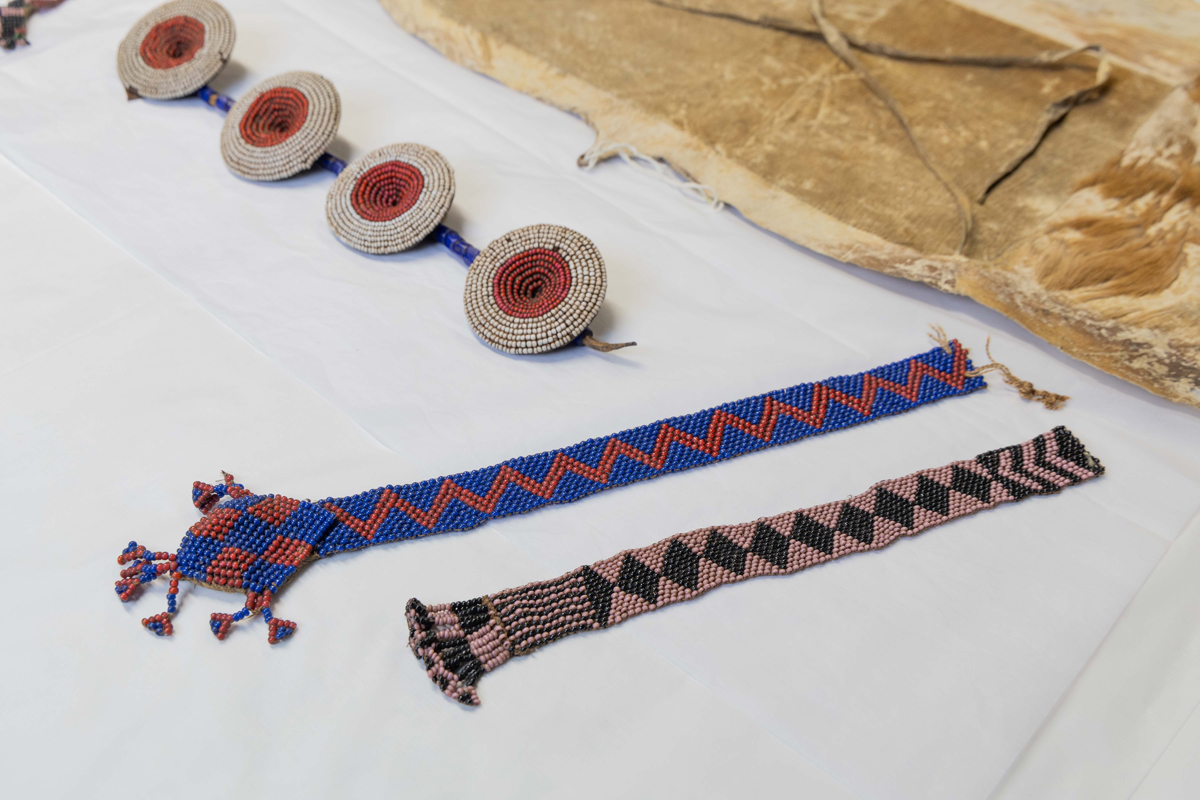
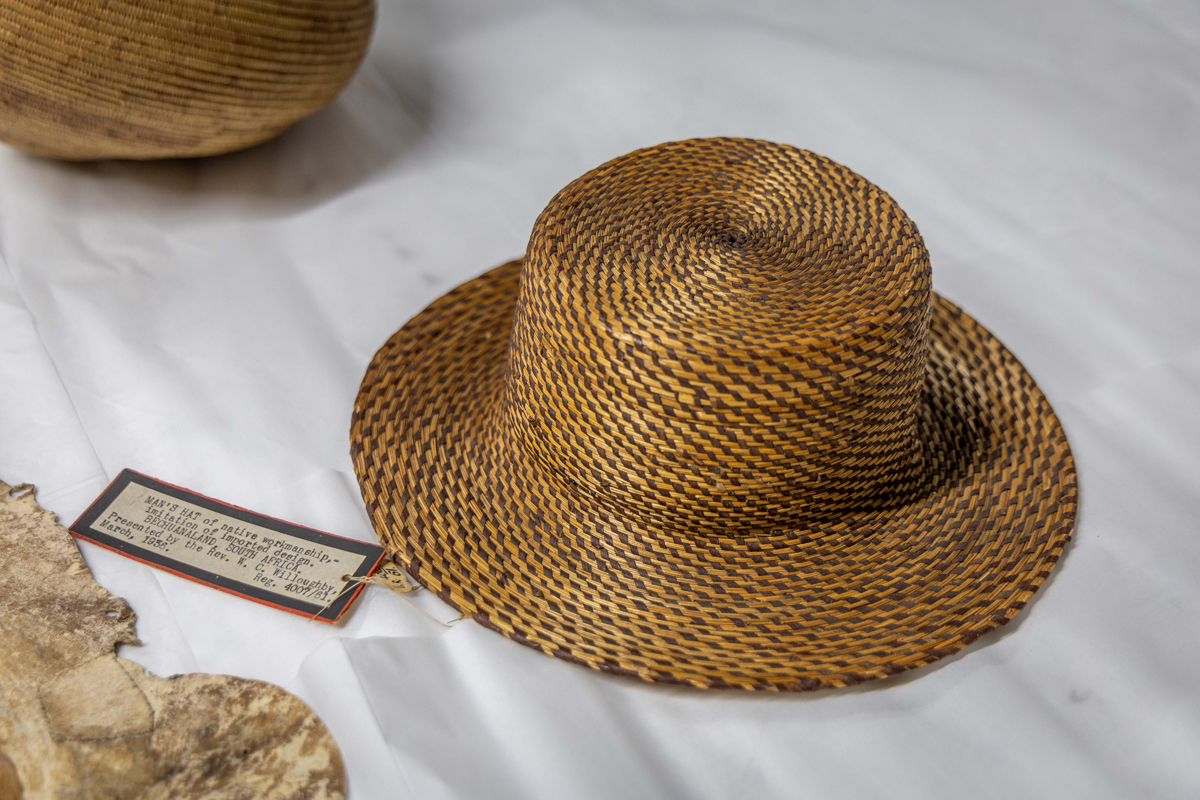
As a result of this partnership, in 2022 Khama III Memorial Museum formally requested the repatriation of 44 objects, including clothing, accessories, hunting implements and objects found in the home. Thanks to generous funding from the James Henry Green Charitable Trust, we are able to not only fulfil this repatriation request but also support the Khama III Memorial Museum to develop a new permanent exhibition displaying these objects for the first time.
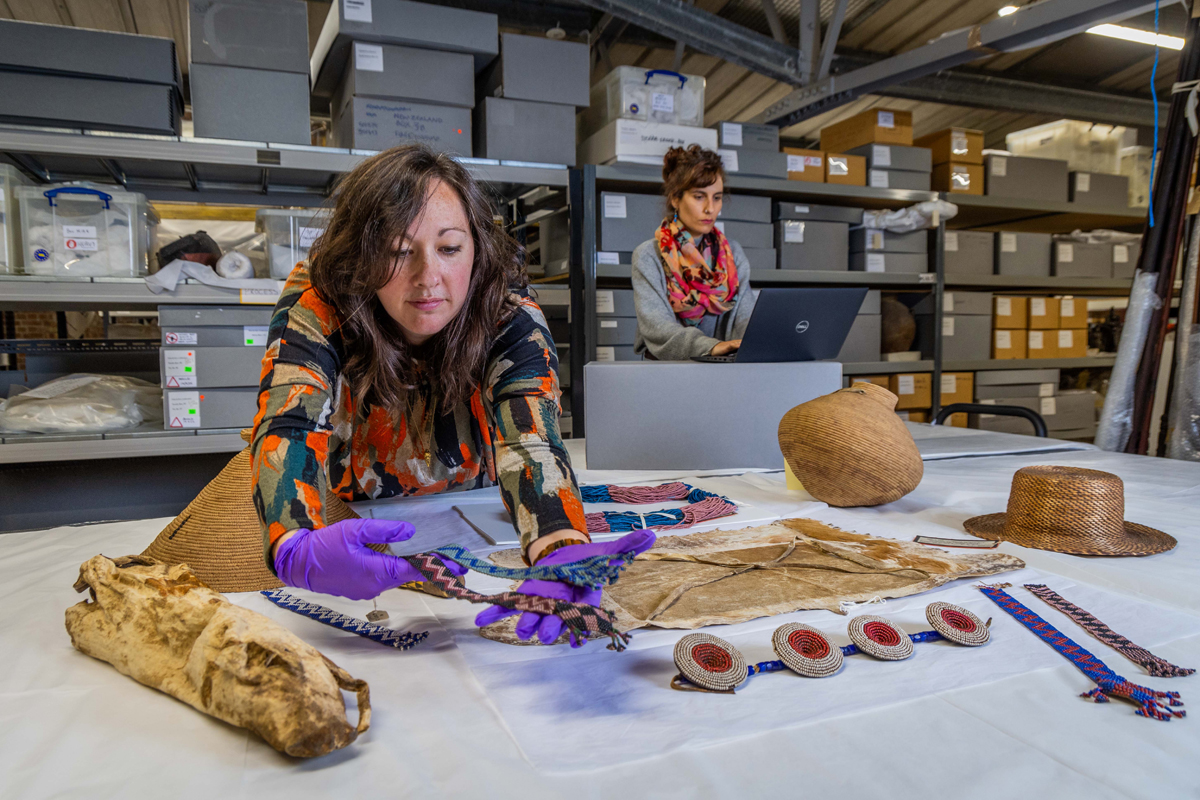
The exhibition traces the journey of objects taken in the late nineteenth century from the Gammangwato region to Brighton and, ultimately, back home. During his time among the Bangwato under Kgosi (chief) Khama III, Reverend William Charles Willoughby (1857–1938) developed a strong interest in their way of life. Through his missionary work and, later, as a professor of African Missions at Hartford Seminary College in Connecticut, he collected cultural objects and removed them from Botswana. These objects later entered overseas collections at Brighton & Hove Museums, where they were separated from the communities and indigenous knowledge systems that had given them meaning.
The historical evidence points to Willoughby acquiring the objects in Old Palapye, Khama III’s capital, and Willoughby was living there as Khama III’s archivist, translator and advisor in negotiations with the British authorities. Khama III chose Willoughby to accompany him and two other chiefs on a trip to Britain (including Brighton) in 1895 to petition Queen Victoria to renew Bechuanaland (now Botswana) as a British Protectorate, effectively stopping the then Prime Minister of Cape Colony (now South Africa) Cecil Rhodes annexing Botswana in order to build a railway from Cape Town to Cairo.
The Khama III Memorial Museum is the closest museum in Botswana to where the objects were acquired by Willoughby between 1893 and 1899. Willoughby likely purchased some objects from local artisans, acquired others as discards (from mostly Christianised elites) and others from local storeowners who traded in cultural artefacts. This repatriation differs from many other cases of restitution, where the focus is often human remains or material taken from violent imperial campaigns. This project aims to return these objects to their ancestral home to the care and protection of a community museum whose own collections present a gap from this period of their history.
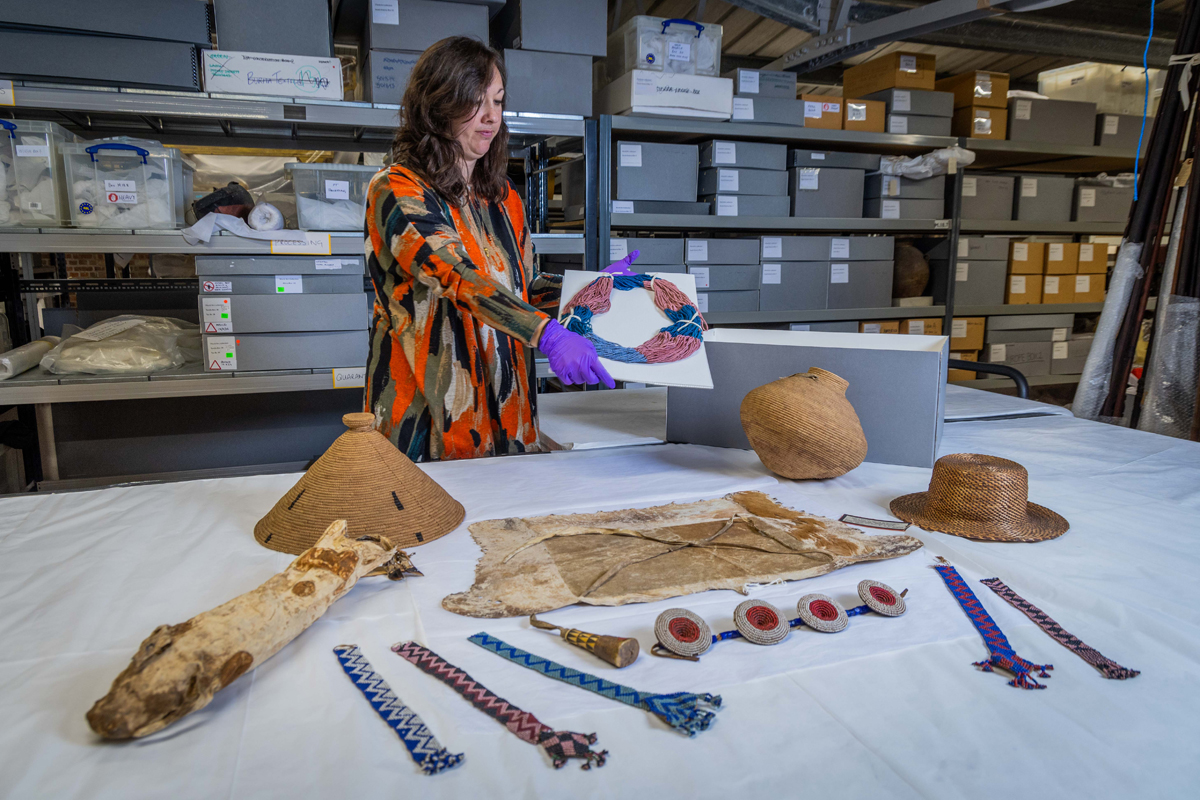
The objects are due to be returned in April 2026 with the exhibition opening 27 May. This will be accompanied by a two-day summit designed to foster conversation and collaboration across heritage, repatriation, museums, wildlife conservation, and tourism in collaboration with the University of Sussex and University of Botswana. In addition, a cultural festival will be held in Serowe centered on Botswana’s identity, memory, and creativity.