Celluloid Hero: At Home with James Williamson, Film Pioneer
For International Stereoscopy Day 2026, we’d like to share with you some exciting and possibly unique images.
These seven cards form part of the Film Collection at Brighton & Hove Museums. They originally belonged to the early film pioneer James Williamson and were generously donated to the collection by his great grandson.
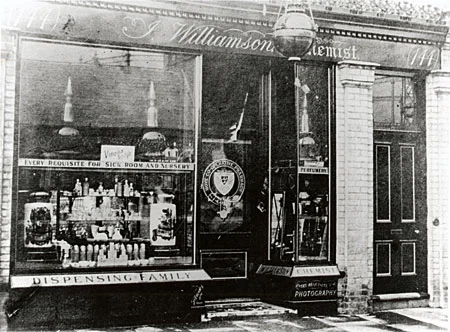
James Williamson (1855 -1933) was born in Dysart, near Kirkaldy, Fife. He spent his early years in Edinburgh before moving to London in 1868. There he became an apprentice to a pharmacist. He started his own pharmacy at Eastry in Kent, later relocating to Hove in 1886.
Williamson was a keen amateur photographer. This, coupled with the photographic services his business offered, led to connections with other local filmmakers. These included Laura Bayley and George Albert Smith, and engineer Alfred Darling. Although informal, this group later became known as the ‘Brighton School’, a name coined in the 1940s by Georges Sadoul, film historian.
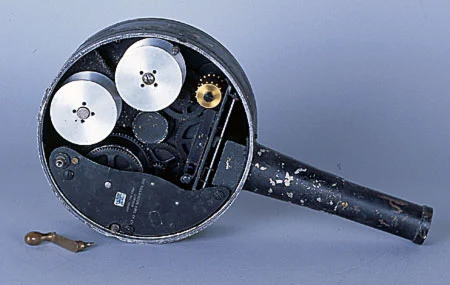
In the early twentieth century, film was still in its infancy. Williamson was one of those whose experimenting led to techniques which are now considered standard in filmmaking. He used shots from multiple angles to convey a sense of drama and expanded the chase sequence to consist of more than one shot.
Williamson began making films in 1897 and continued to produce them until 1909. In 1910 he sold his Hove studio and moved to London. He transferred his business interests to the manufacture of film apparatus and equipment, as well as film processing. During the Second World War, the Williamson Kinematographic Company were pioneering in the development of aerial cameras used for reconnaissance.
In 1917, James and his family moved to a neo-Tudor house known as ‘The Gables’ in Borehamwood, Hertfordshire. They remained there until 1923 when Williamson relocated to Luton, Bedfordshire. Even until the later years of his life, he enjoyed trying out different aspects of photography, including stereoscopy. It is very likely that these stereoscopic photographs were produced by him, or under his direction.

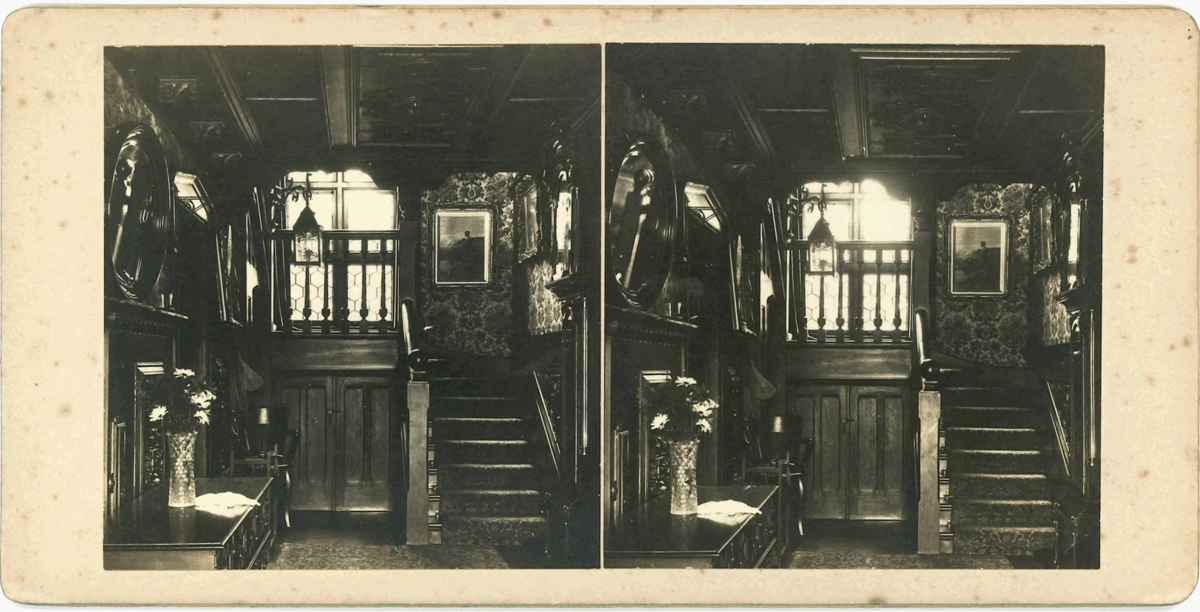

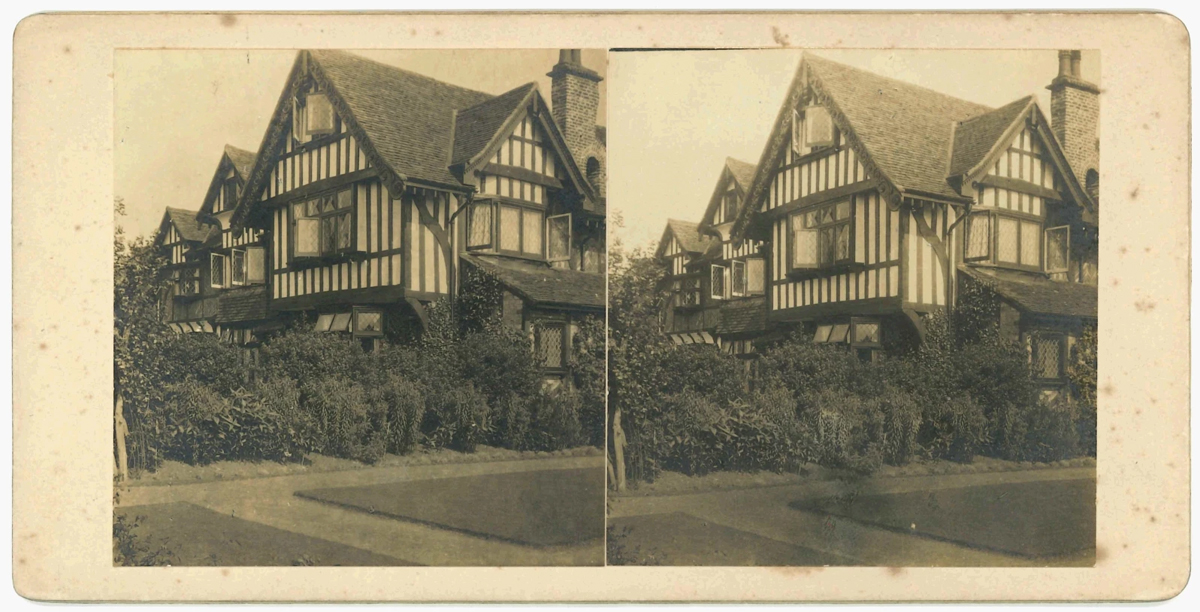
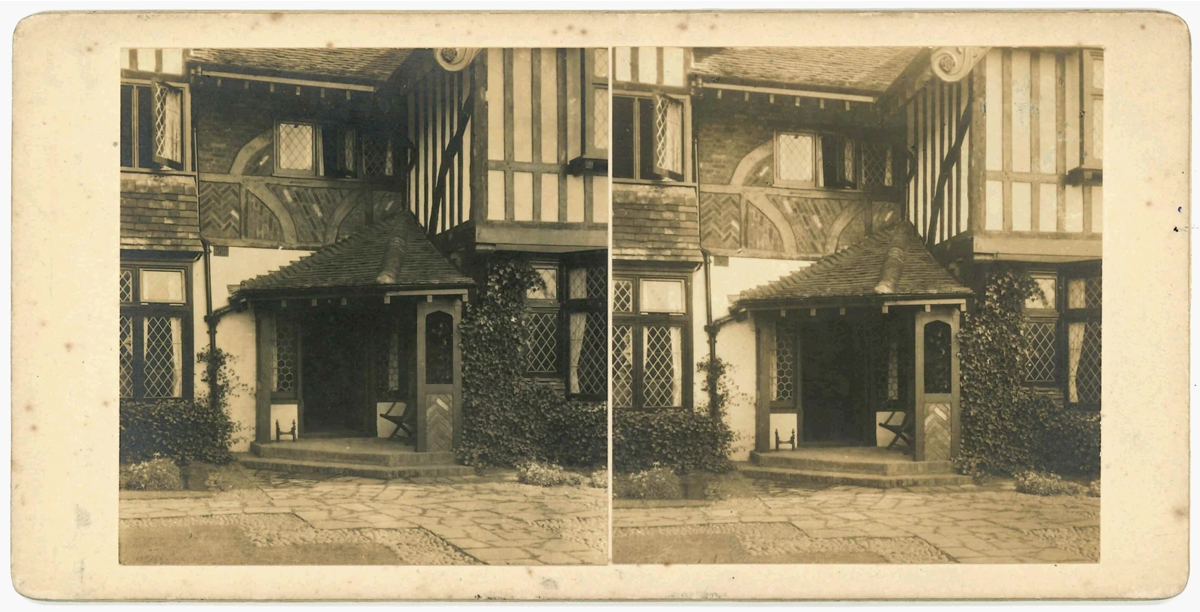
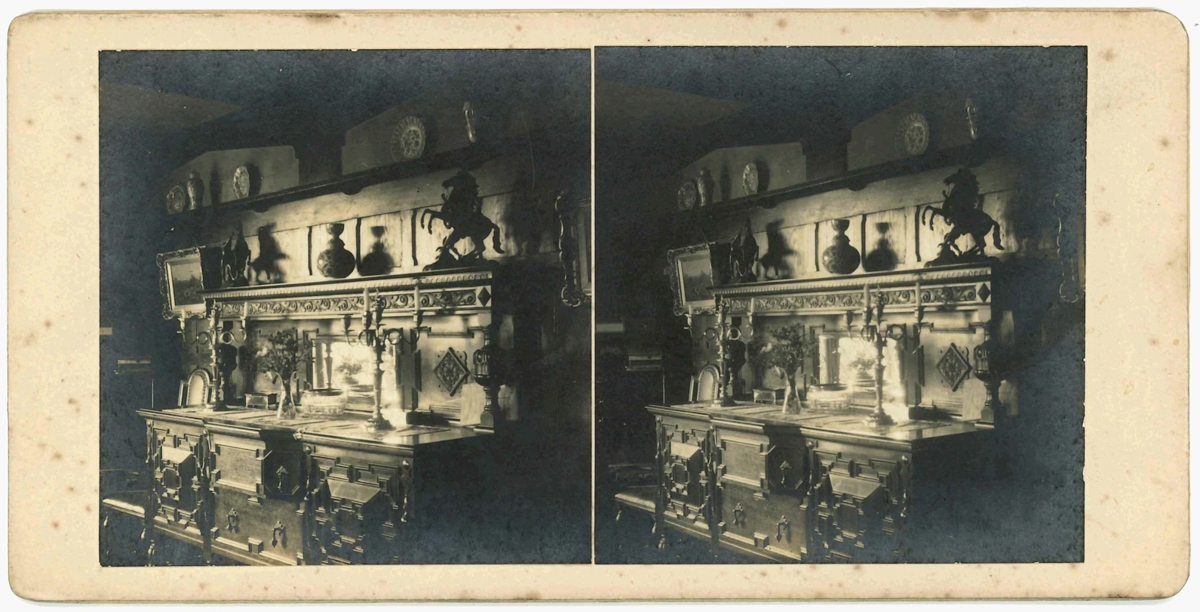
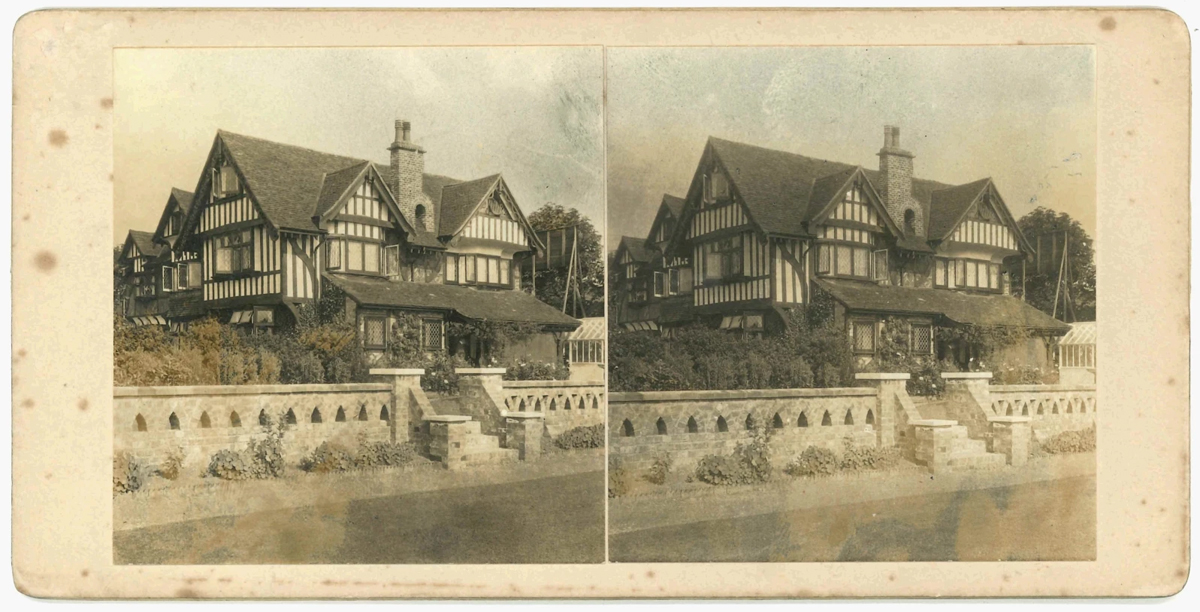
Thanks to Elstree & Borehamwood Museum we were able to discover more. It seems that James Williamson wasn’t the only notable resident of The Gables. The actor Martin Benson bought it during the 1950s, after enjoying success with his role of the Kralahome in the musical The King and I, both onstage and in the film version. Perhaps inspired by this, he renamed the building Kings House, plus he was born under the regal sign of Leo!
It then went from Kings House to a Kink’s house. In 1968 it was sold to Ray Davies, the frontman and main songwriter with rock group The Kinks. Young Ray was only 24 when he moved here from Muswell Hill, London, where he had grown up. The song The Village Green Preservation Society was written at this time and reflects Davies’ love of ‘traditional British things’ while satirizing those who seek to preserve them. The line ‘God save Tudor houses, antique tables, and billiards’ was very likely a nod to his current opulent surroundings.
Ray only stayed there until 1969 and the house was demolished soon after. Images of the house are rare, so these stereoscopic photographs serve as preservation of a lost location.
Interestingly, in 1972 Davies released the song Celluloid Heroes, the lyrics contrasting the glamour of the showbiz world with the harsh realities of fame. The film industry was then, and still is, very different to how it was in James Williamson’s day. But his legacy lives on; in Ray’s words, ‘Celluloid heroes never really die.’
If you would like to discover more about film pioneer James Williamson and see a range of stereoscopic viewers, visit Hove Museum of Creativity.
Our Film Gallery is currently undergoing a refresh and will re-open to the public in July 2026.