Birds in the Royal Pavilion Garden – What Will You See?
The Pavilion Garden is an oasis in the heart of Brighton, providing a beloved green space for the people of Brighton to relax in. But this space is also a haven for our urban wildlife, especially in an area of the city without large gardens.
Though there are many species in the gardens, from small invertebrates and insects to larger mammals such as foxes, the most obvious animals to most visitors are birds. There are many bird species recorded in the gardens over the years, and these include rarer visitors such as a sparrowhawk rescued from the anti-pigeon netting at the Pavilion to a woodcock found on the roof of the Pavilion.
But to everyday visitors, here are ten species you are (almost) guaranteed to find in the grounds during your visit.
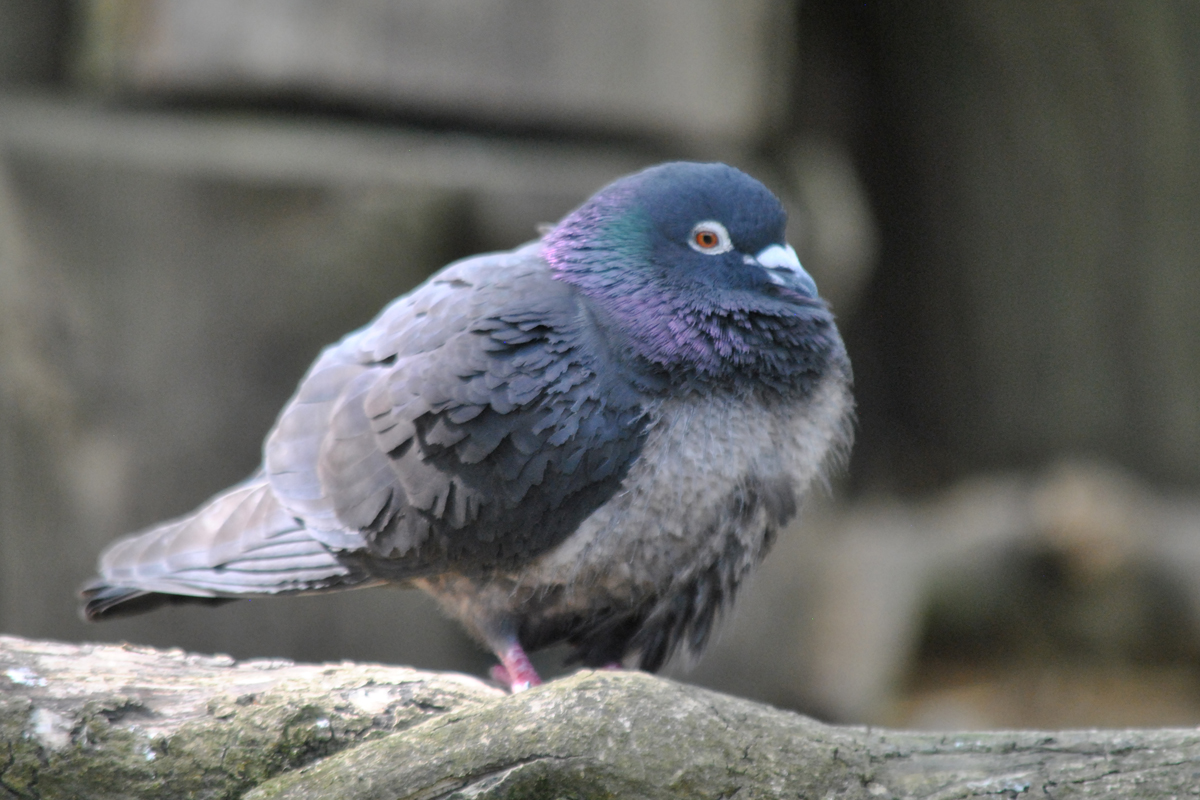
1. Feral pigeon Columba livia (Guaranteed spot!) –
Our urban pigeons are essentially identical to their ancestors the rock dove, but have a wider range of colours and patterns due to their origins from domestic pigeon stock. They have lived alongside humans for millennia and this makes them generally unafraid of humans. You will see them happily foraging for crumbs and seeds around the lawns and paths of the gardens, as well as on the streets around the gardens.
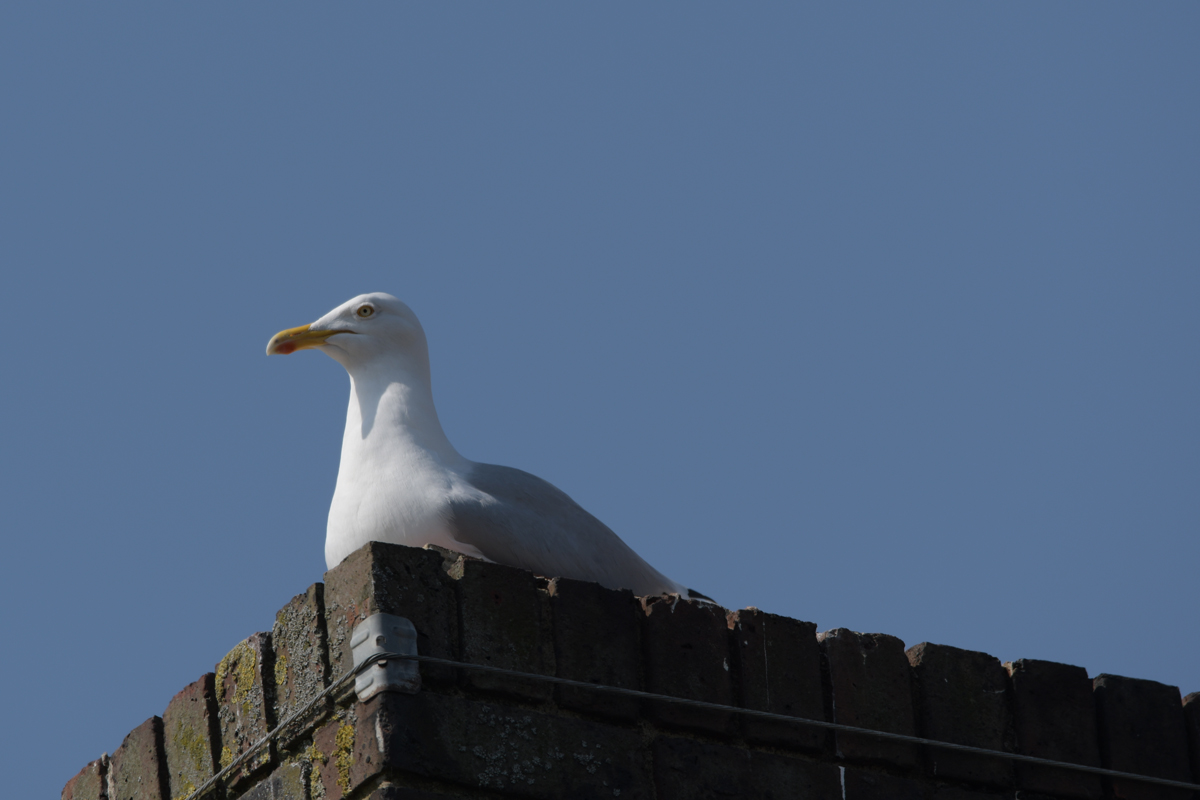
2. Herring gull Larus argentatus (Guaranteed spot!) –
The most common gull in Brighton, the herring gull is a notorious opportunist. In Brighton and other coastal cities, they have become so bold that they will steal food from the hands of people. So, if you are eating your lunch or a snack in the gardens, keep aware of the gulls! A simple hand out in front of you when the bird swoops should deter them and protect your grub!
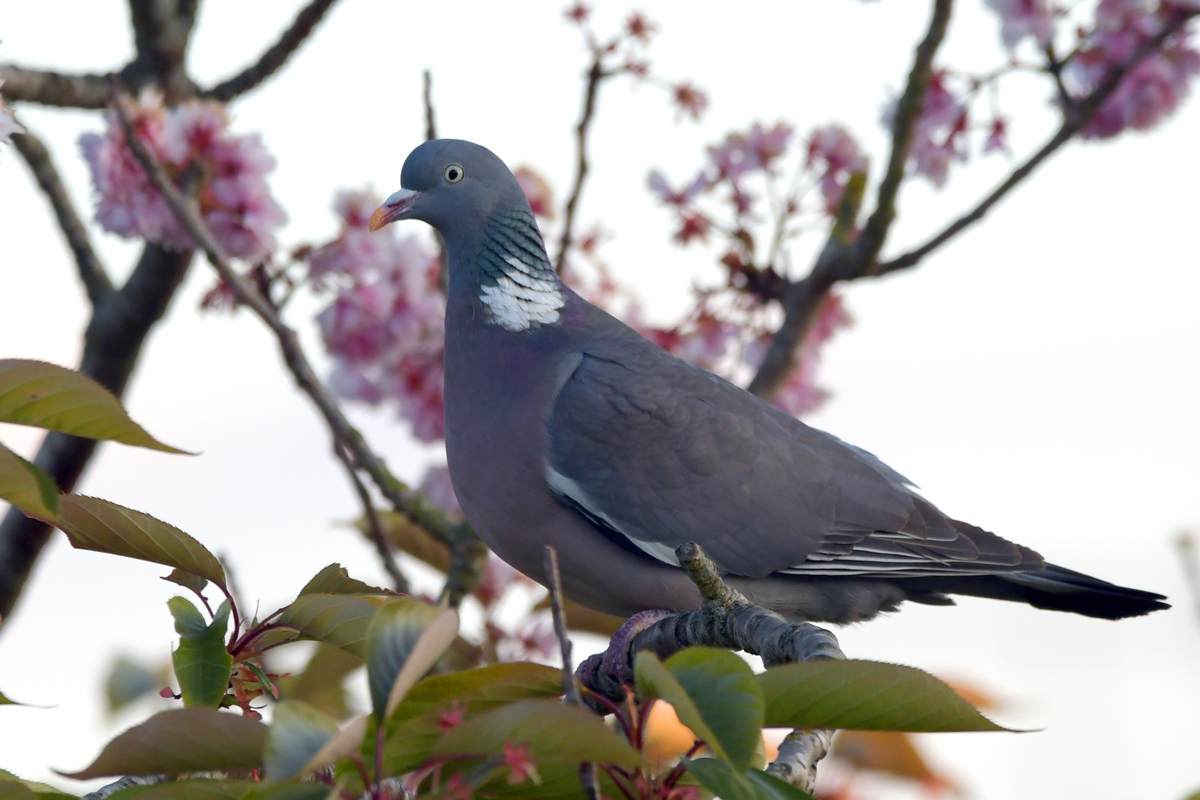
3. Wood pigeon Columba palumbus (Almost guaranteed spot!) –
A large, dumpy pigeon that was traditionally seen in rural areas but is now very common in our cities, especially in parks and gardens. They have a wide ranging diet, but do enjoy feeding on foliage and cereals, which has made them an agricultural pest. You should spot them in the trees or waddling around the plants in the gardens.
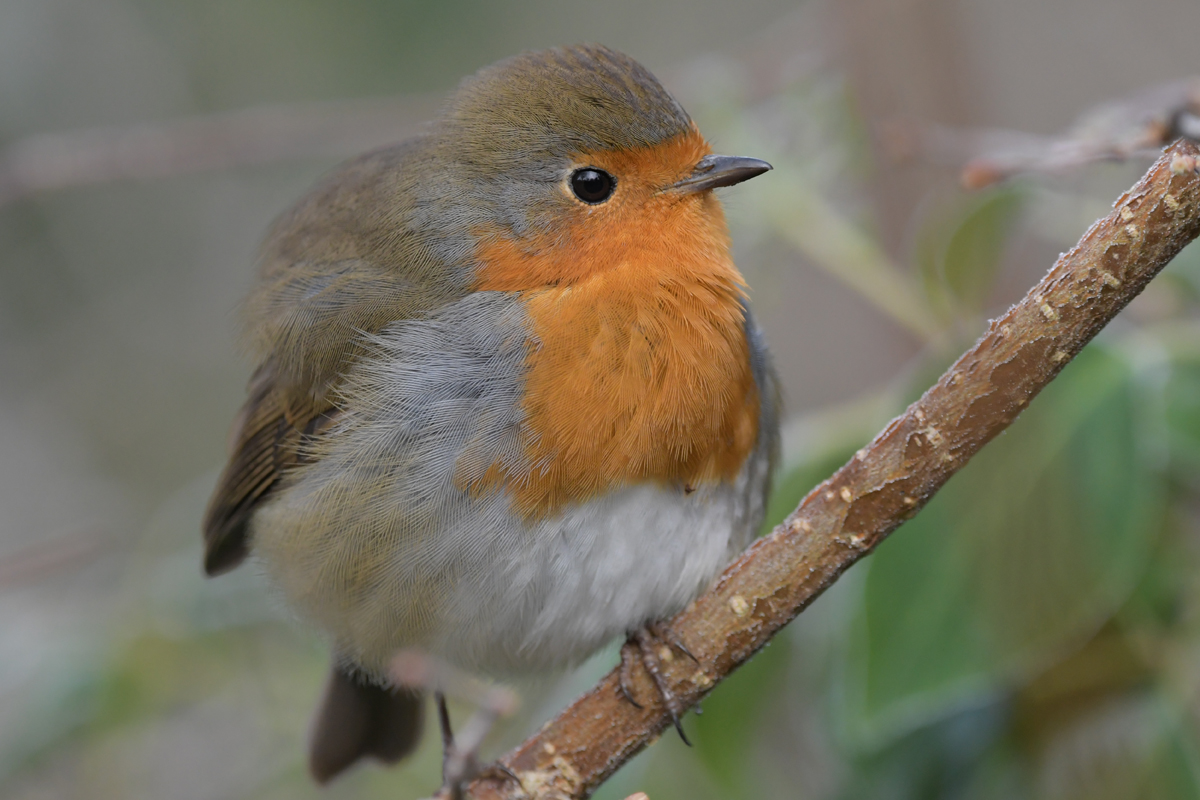
4. European Robin Erithacus rubecula (Almost guaranteed spot!) –
This small songbird is one of the most popular birds in Britain, and is England’s national bird! They are closely associated with Winter and especially Christmas, however they are resident all year round. They are the gardeners friend, often appearing whilst you work in the garden. Serenading you with a song and picking up tasty morsels uncovered when you disturb the earth and leaf cover. Through the gardens you should see them perching in the bushes or trees, often singing their song and easily recognisable from their red breast.
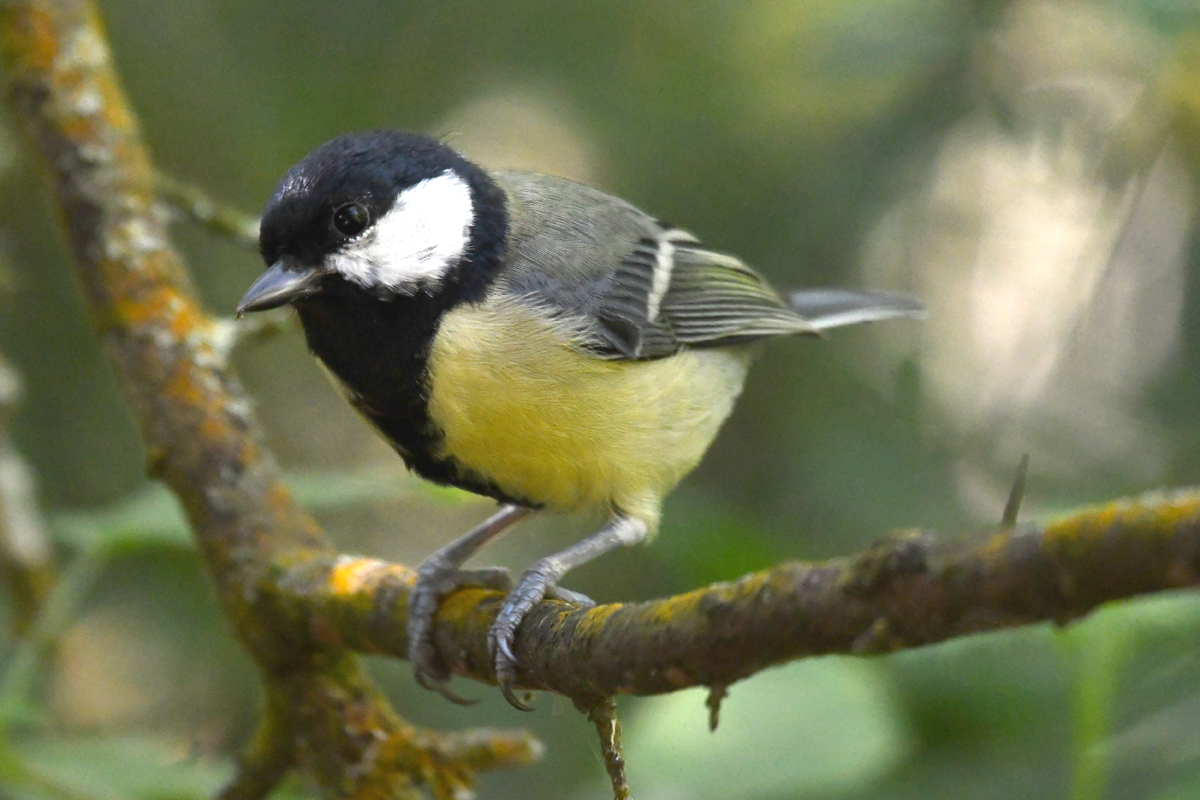
5. Great tit Parus major (Almost guaranteed spot!) –
Our largest tit species, the great tit is usually seen feeding from birdfeeders or darting about the branches of the bushes and low trees in the gardens. They are recognisable from the blue tits by their Black crown, throat and bib, with white cheeks, and a yellow breast separated by a black stripe. Males tend to have a brighter yellow breast than females, and studies have shown those with the brightest chests are most desirable to females as they are healthier.
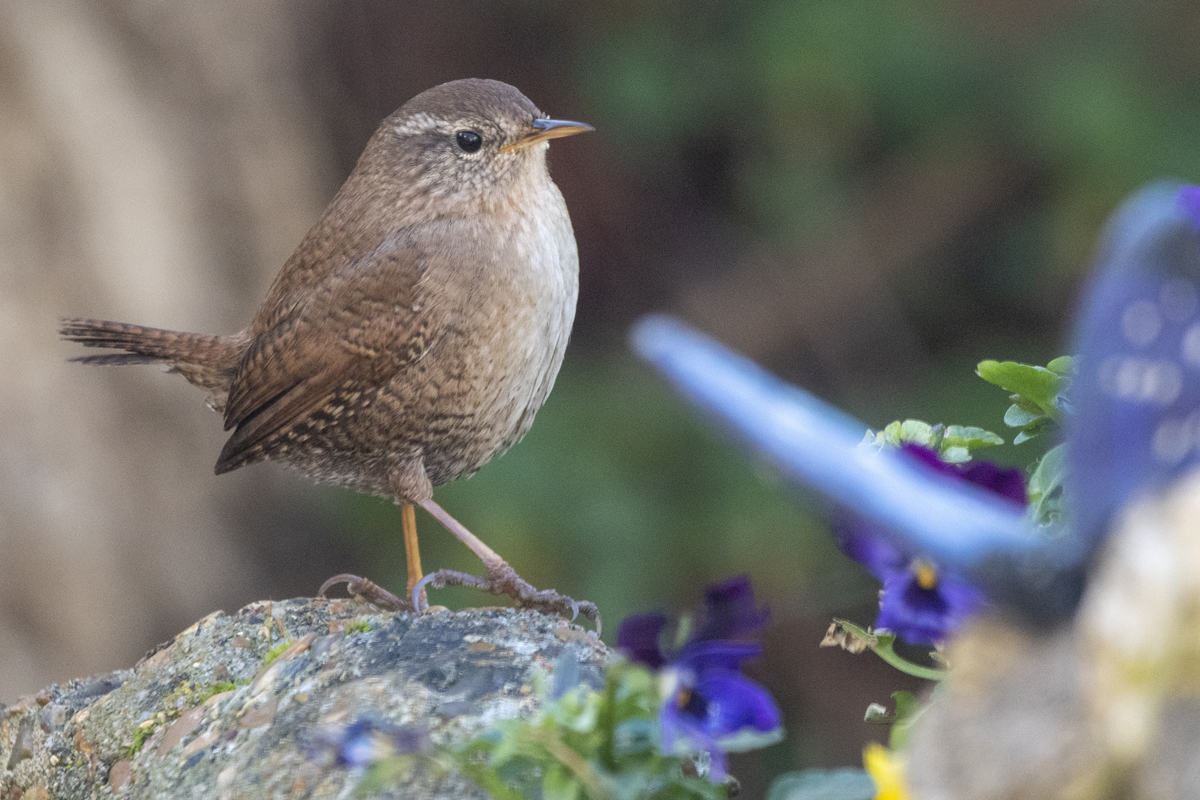
6. Eurasian Wren Troglodytes troglodytes (Likely to see) –
A small songbird with a very powerful voice! They can often be heard with their machinegun like call singing from the undergrowth. They tend to be quiet when exposed. You’ll have to watch carefully around the bottom of the bushes to spot them as they pop out looking for food. They are recognisable from their small stature and their tail, which they often hold upright.
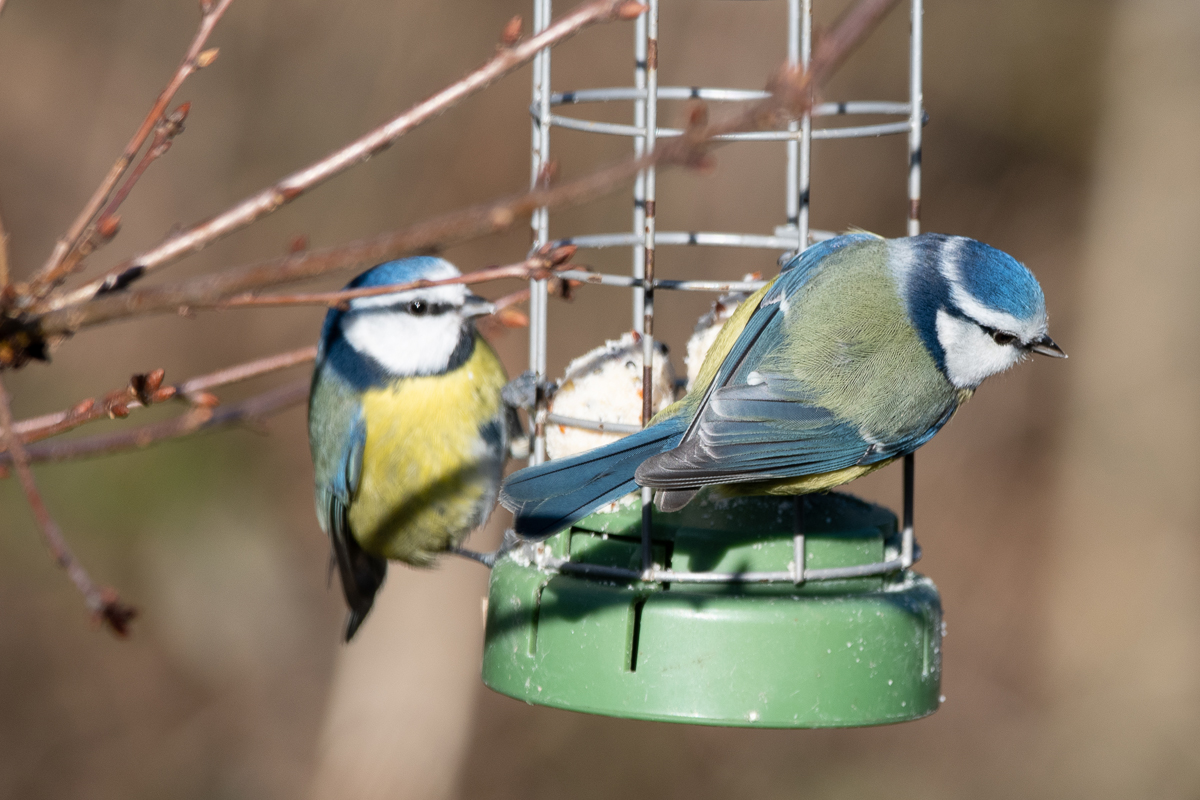
7. Blue tit Cyanistes caeruleus (Likely to see) –
The blue tit is significantly smaller than the great tits. They will be seen darting between the tree tops looking under leaves for insects, or feeding from bird feeders. They can be recognised from their often very bright blue cap, and white cheeks with a black line passing through their eye. They also have a yellow breast, but unlike great tits, it is not separated by a black stripe running down the middle.
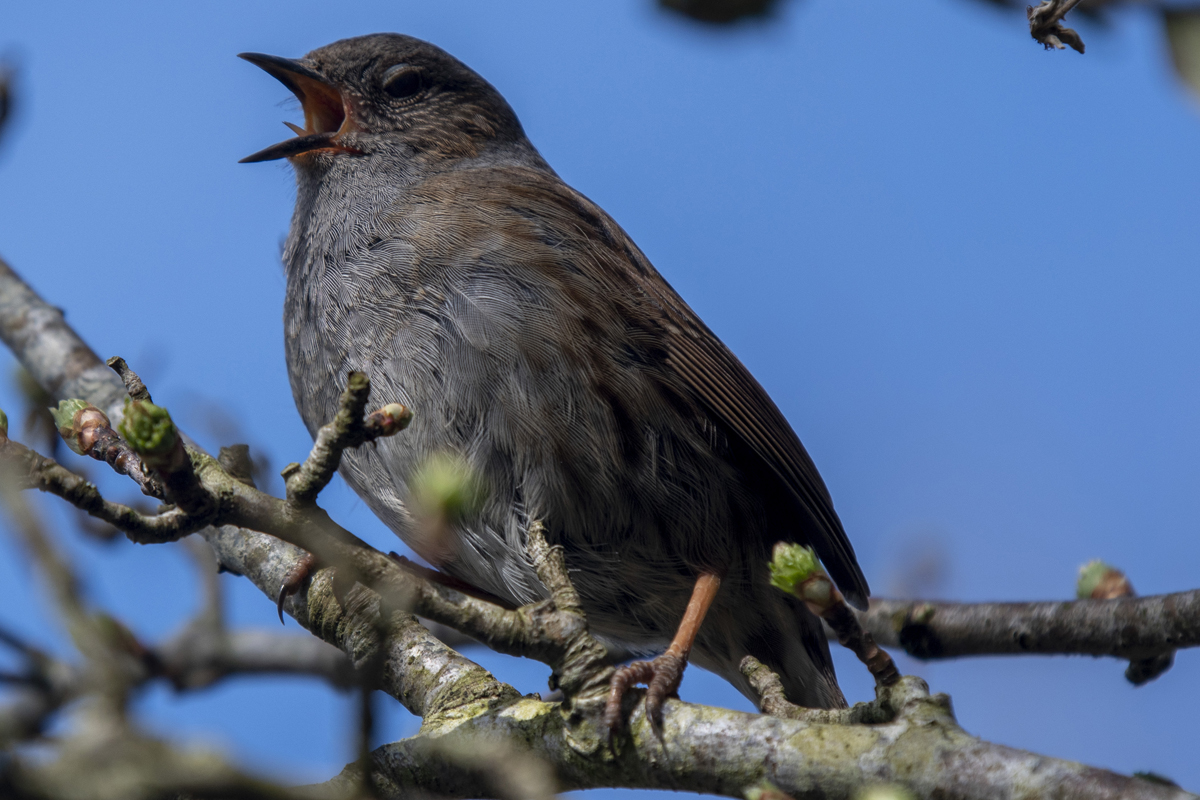
8. Dunnock Prunella modularis (Often seen) –
Dunnocks are small songbirds around the size of a sparrow or robin. Some people mistake them for sparrows, as they have a similar brown colouration, though their heads have very different markings to sparrows. They are most often seen quietly foraging for food around the ground, close to the bushes to allow them to quickly take cover from danger. At birdfeeders they will usually feed on the seed and grain that has fallen from the feeder when other birds have been visiting.
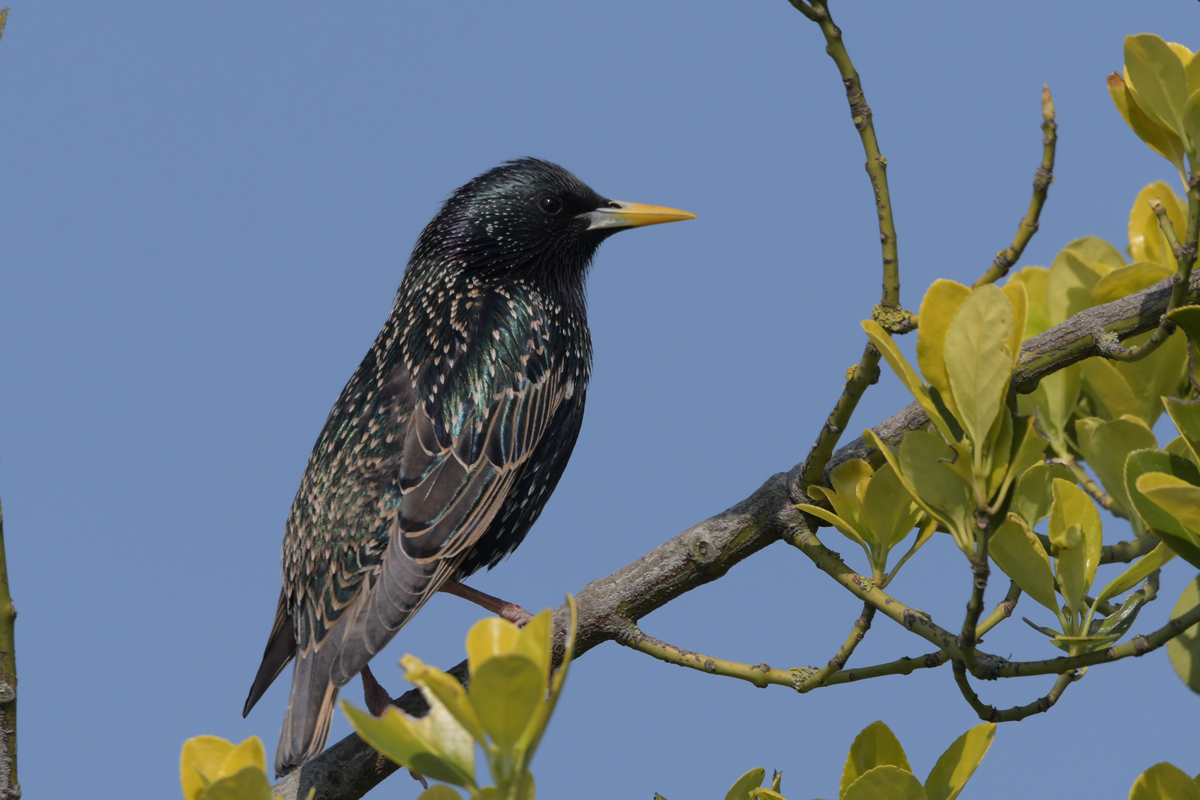
9. Starling Sturnus vulgaris (Often seen) –
One of the symbols of Brighton, visitors often congregate near the pier on winter evenings to watch the murmuration – large gatherings of starlings coming in to roost together under the pier. In the morning, these congregations separate and head off across the city to forage for food in surrounding green spaces. In the gardens they are usually seen either looking for grubs in the lawns, or feeding from bird feeders. They are recognisable from their black plumage covered with iridescent colours around their head and neck. They are also able to mimic sounds so have a wide range of calls ranging from beautiful melodic sounds to harsh calls!
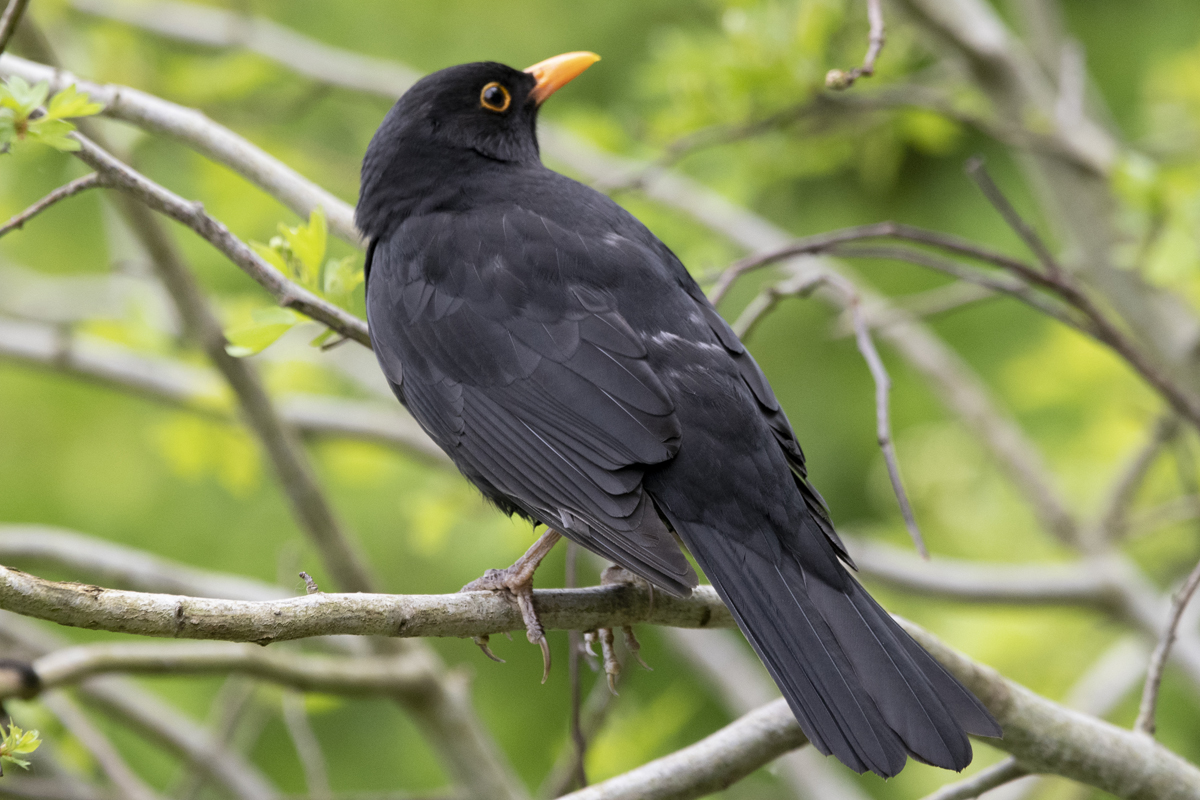
10. Blackbird Turdus merula (Often seen) –
Male blackbirds are easily recognisable from their sleek black bodies and yellow beak on mature adults (first year adult males have black beaks). Females and juveniles of both sexes are brown, and females have a mottled breast, while juveniles have light coloured spots on the breast. They are often spotted in the branches of the trees and bushes, and the males will often be heard singing beautifully or uttering a harsh alarm call if upset.
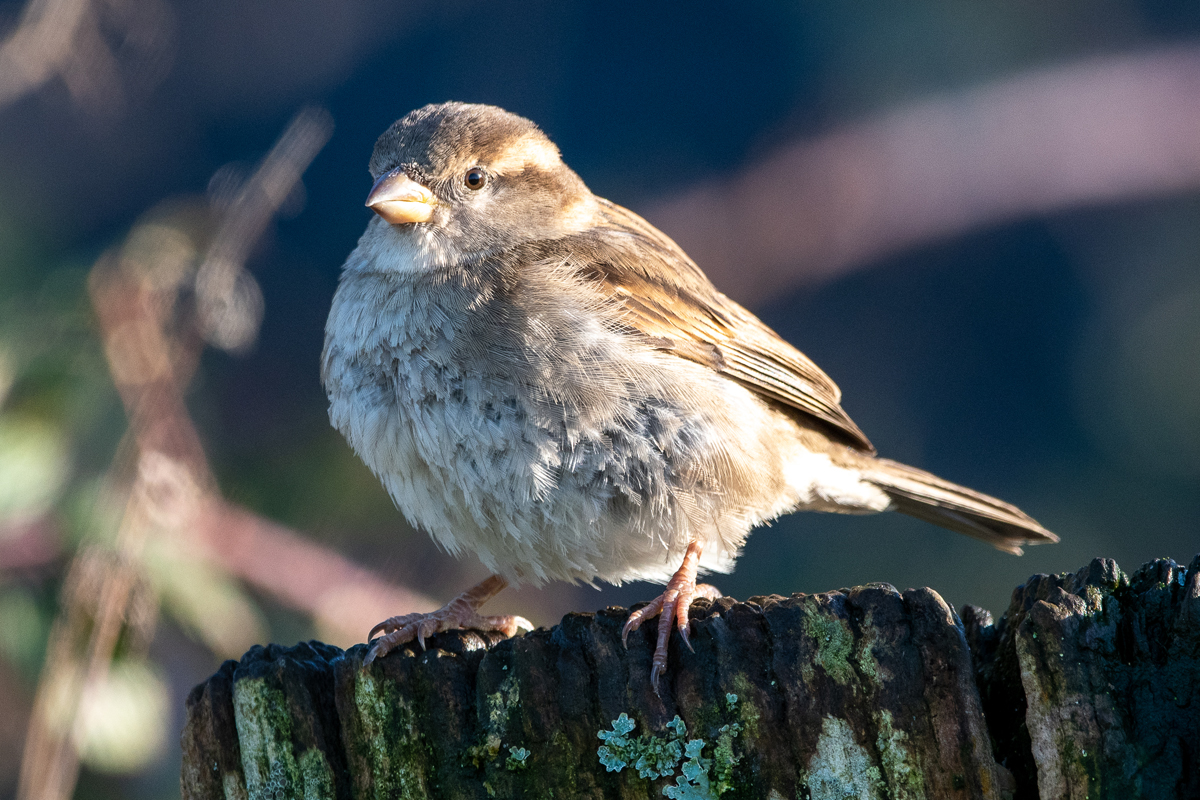
Bonus mention –
House sparrow Passer domesticus
The house sparrow is one of the most widely distributed and successful birds in the world. It naturally occurs in Europe and Asia, and has been introduced to Africa, Australia, New Zealand and the Americas, where it has become a pest. Despite its success around the world, the house sparrow is suffering in its native range. In the UK its population has dropped 68% since the 1970s. They have almost gone extinct in central London. Populations in Sussex remain relatively healthy and are supported by feeding garden birds.
The Great Garden Bird Watch
Hopefully you’ll spot all of these birds, as well as other common visitors to the gardens, including crows, magpies, pied wagtails, collared doves, chaffinches, goldfinches and greenfinches. You may even be lucky enough to see rarer visitors such as great spotted woodpeckers or sparrowhawks.
If you do over the weekend of the 23 – 25 January 2026, make sure you submit them to the Great Garden Bird Watch!