DCMS/Wolfson Museums and Galleries Improvement Fund awards funding to the Booth Museum
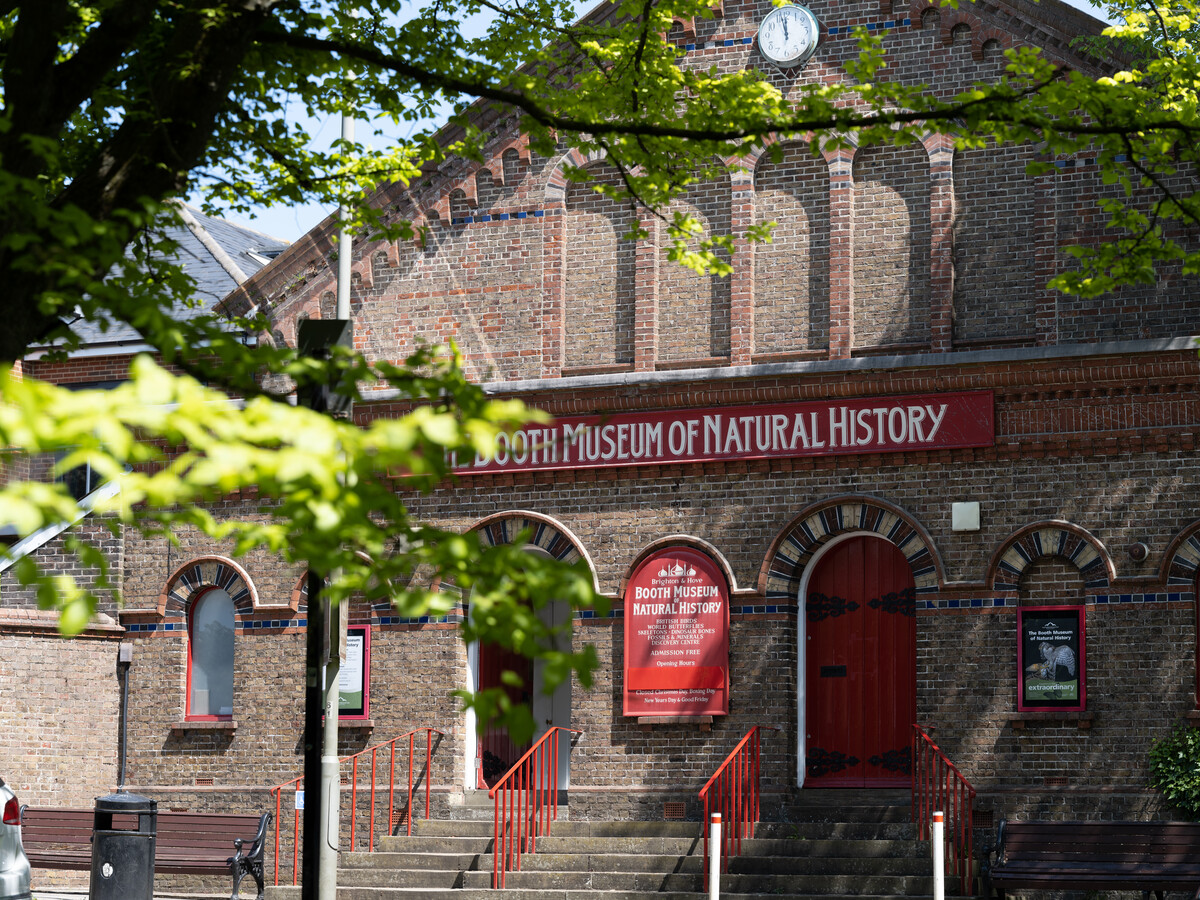
We are thrilled to announce that we have secured funding from the DCMS/Wolfson Museums and Galleries Improvement Fund, which will help us transform the Booth Museum of Natural History into a hub for climate, habitat and biodiversity education.
We will be transforming the central gallery spaces to focus on habitats and climate change and putting more special objects on permanent public display. We will be able to develop a logical, engaging visitor experience, relevant to current climate change narrative.
The Booth Museum is currently closed to the public while we carry out these exciting changes, and we look forward to reopening later in 2026.

The Booth Museum of Natural History was founded in 1874 by naturalist and collector, Edward Thomas Booth who had a particular interest in ornithology, the study of birds.
In 1971 the Booth became a Museum of Natural History. It is now home to a staggering collection of 525,000 insects, 50,000 minerals and rocks, 30,000 plants and 5,000 microscopic slides. There are some spectacularly old specimens such as shells from the bottom of a 55 million year old Mediterranean lagoon, and dinosaur bones.

The DCMS/Wolfson Museums and Galleries Improvement Fund provides capital funding for museums and galleries across England to improve displays, protect collections and make exhibitions more accessible to visitors. For 2025-27, DCMS and the Wolfson Foundation have each contributed £2 million to the Fund, which has benefitted more than 440 projects in its more than 20-year history.